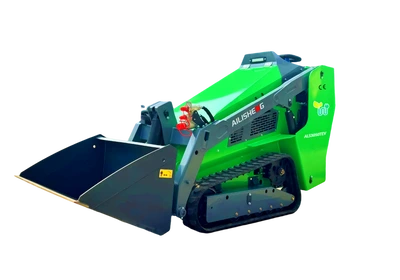

Electric Skid Steer Loaders Manufacturer: Key Quality Standards Buyers Should Check
Electric skid steer loaders are increasingly used in construction, landscaping, agriculture, warehousing, and industrial material handling. Their compact design and electric power systems make them suitable for workplaces that require maneuverability, reduced operating noise, and lower local emissions. However, equipment quality can vary between manufacturers, making it important for buyers to evaluate more than price and advertised performance.
When selecting an Electric Skid Steer Loaders Manufacturer, buyers should examine manufacturing processes, material quality, battery performance, safety features, testing procedures, and after-sales support. These factors help determine whether a machine is suitable for its intended application and can deliver reliable performance over time. Understanding the key quality standards before purchasing can also reduce the risk of unexpected maintenance expenses and operational disruptions.
1. Check Compliance with Applicable Safety Standards
Safety compliance should be one of the first considerations when evaluating a manufacturer. Electric skid steer loaders combine moving mechanical components, hydraulic systems, electrical equipment, and lifting functions, all of which require appropriate design and protection.
Ask the manufacturer which safety standards and regulatory requirements apply to the proposed machine. Depending on the destination market and equipment configuration, relevant requirements may cover machinery safety, electrical systems, operator protection, labeling, and documentation.
Request copies of applicable conformity declarations, certificates, test reports, or other supporting records. Verify that these documents relate to the exact model and configuration being purchased rather than a different product in the manufacturer’s catalog.
Do not assume that a machine complies with every country’s requirements simply because it is manufactured or sold internationally. Confirm the regulations applicable to your location and intended use before placing an order.
2. Evaluate Structural Strength and Material Quality
The frame and lifting structure of an electric skid steer loader must withstand repeated loading, movement, and vibration. Poor material selection or inconsistent manufacturing can affect durability and may increase the likelihood of premature wear or component failure.
Review the quality of the frame, lifting arms, attachment mounting points, and other load-bearing components. Ask the manufacturer about material specifications, welding procedures, corrosion protection, and structural inspection methods.
Where possible, inspect a representative machine or request detailed photographs and technical documentation. Look for consistent assembly, well-finished joints, and practical access to maintenance points.
A machine’s appearance alone cannot establish structural quality. Buyers should seek supporting evidence from the manufacturer’s engineering specifications and quality assurance procedures.
3. Review Manufacturing Quality Control Procedures
Quality control helps ensure that machines are produced consistently and meet the manufacturer’s stated specifications. A structured process should include checks during production as well as inspections of the completed equipment.
Ask the manufacturer how it controls incoming components, assembly accuracy, electrical connections, hydraulic installations, and final machine performance. Determine whether inspection results are documented and whether defective components are identified and corrected before shipment.
It is also useful to ask how the manufacturer handles recurring faults and customer feedback. A systematic process for investigating defects and implementing corrective actions can help improve product consistency over time.
If practical, arrange a factory visit or request a remote walkthrough of the production and inspection process. For international purchases, supporting documentation and verifiable manufacturing information can provide useful evidence when an in-person inspection is not possible.
4. Examine Battery Quality and Electrical Safety
The battery is one of the most important components in an electric skid steer loader. Its specifications influence operating time, charging requirements, performance, and long-term ownership costs.
Ask for details about the battery chemistry, rated capacity, nominal voltage, charging system, and expected operating conditions. The manufacturer should explain how advertised runtime figures were established and how workload, terrain, temperature, and hydraulic activity affect energy consumption.
Battery safety features also deserve attention. Depending on the design, the battery management system may monitor voltage, current, temperature, and state of charge while helping protect against operating conditions outside specified limits.
Request relevant battery documentation and confirm that the charging equipment is compatible with your facility. You should also verify the manufacturer’s recommendations for charging, storage, and routine maintenance.
Clear battery specifications and appropriate electrical protections are essential when assessing the overall quality of an electric machine.
5. Assess Electric Motor and Controller Reliability
Electric motors and controllers are central to the machine’s propulsion and operating functions. Their design and integration can influence responsiveness, energy efficiency, and reliability under varying workloads.
Ask the manufacturer for technical information about the motor and controller systems. Where relevant, review rated power, operating limits, cooling arrangements, protection features, and compatibility with the machine’s intended application.
The quality of the complete electrical system matters as much as the individual components. Wiring, connectors, sensors, and control software must work together appropriately and be protected against conditions expected during normal operation.
Find out how electrical systems are tested before the machine leaves the factory. Also ask whether diagnostic information and troubleshooting documentation are available to support future maintenance.
A manufacturer that can explain its electrical architecture clearly and provide relevant documentation makes it easier for buyers to assess the equipment’s suitability.
6. Verify Hydraulic System Performance
Hydraulic systems are important for lifting, tilting, and operating compatible attachments. Their quality can affect productivity, control, maintenance needs, and the machine’s ability to complete demanding tasks.
Review the manufacturer’s hydraulic specifications, including rated pressure, flow rate where applicable, and attachment compatibility. Compare these details with the requirements of your intended applications.
Ask how hydraulic hoses, seals, cylinders, pumps, and fittings are inspected during manufacturing. Confirm whether the machine undergoes functional testing to identify leaks, abnormal behavior, or performance issues before shipment.
Hydraulic specifications should be evaluated alongside rated operating capacity and lifting geometry. A machine may have adequate hydraulic output but still be unsuitable if its overall capacity or attachment compatibility does not match the work.
Clear technical documentation helps buyers compare hydraulic performance accurately across manufacturers.
7. Check Rated Capacity and Performance Testing
A quality manufacturer should provide reliable performance specifications supported by appropriate testing. Rated operating capacity, lifting height, operating weight, travel speed, and machine dimensions all affect suitability for different tasks.
Ask how rated capacity is determined and which operating conditions or limitations apply. Confirm that the proposed machine can handle your intended materials and attachments without exceeding its specified limits.
Request information about factory performance testing, including checks of lifting functions, driving controls, hydraulic operation, and electrical systems. Where available, review test records or demonstration results for the relevant model.
It is important to distinguish rated operating capacity from tipping load or other lifting measurements. These figures describe different aspects of performance and should not be treated as interchangeable.
A careful review of specifications and testing information helps buyers select equipment that is capable of performing its intended tasks safely.
8. Inspect Welding, Assembly, and Component Fit
The consistency of welding and assembly can provide useful information about manufacturing quality. Poorly finished joints, loose fittings, inconsistent component placement, or difficult service access may indicate areas that deserve further inspection.
When examining a machine, pay attention to the alignment of structural components, the routing of hoses and wiring, the security of fasteners, and the accessibility of service points. Check that operator controls and protective covers are fitted appropriately.
Ask the manufacturer whether assembly inspections include checks for loose connections, hydraulic leaks, electrical faults, and mechanical interference. It is also useful to understand how the company verifies that components are installed according to its design specifications.
A visual inspection cannot replace engineering verification, but it can help identify questions that should be resolved before purchase.
9. Review Durability and Environmental Protection
Electric skid steer loaders may operate in dusty construction areas, damp environments, outdoor worksites, or temperature-controlled indoor facilities. Their design should reflect the conditions in which they will be used.
Ask the manufacturer about protection against dust, moisture, corrosion, vibration, and temperature extremes. For electrical components, request applicable ingress protection ratings and clarify which components those ratings cover.
You should also consider the machine’s tires, surface contact, ground clearance, and structural protection. These features influence how well the loader suits the terrain and work environment.
Do not assume that a particular protection rating applies to the complete machine simply because one electrical component carries that rating. Verify the scope of the documentation and any operating restrictions.
Selecting a machine with appropriate environmental protection can help reduce premature wear and support more consistent operation.
10. Examine Operator Protection and Ergonomics
Operator protection is another important indicator of machine design quality. Controls should be understandable, access should be practical, and the operator station should support safe operation under the intended working conditions.
Review features such as operator restraints, interlocks, visibility, warning systems, emergency stopping arrangements, and safe entry and exit. Confirm that the operator manual explains the correct use of these features.
Ergonomics also matters. The layout of controls, visibility around the machine, and ease of adjusting operating settings can influence operator comfort and productivity during extended use.
If possible, arrange a demonstration so that the intended operators can assess the machine’s controls and visibility. A suitable design should support safe operation without unnecessary complexity.
11. Evaluate Battery Warranty and Component Coverage
Warranty conditions can provide insight into the manufacturer’s support arrangements and influence the cost of equipment ownership. However, a warranty should be reviewed by its terms rather than by its duration alone.
Ask for written coverage details for the battery, motor, controller, hydraulic components, and structural parts. Confirm the warranty period, exclusions, claim procedures, and any operating-hour or maintenance requirements.
For batteries, determine whether the warranty covers specified manufacturing defects, capacity-related conditions, or other defined issues. Do not assume that all capacity loss is covered.
You should also clarify whether labor, shipping, diagnostics, and replacement installation are included when a claim is approved. For international purchases, establish how warranty claims will be handled and whether technical support is available in your region.
Clear warranty documentation helps buyers compare manufacturers more accurately and plan for potential repair expenses.
12. Confirm Spare Parts Availability and Service Support
Even a well-manufactured machine needs maintenance throughout its working life. Access to compatible spare parts and technical assistance can influence downtime and repair costs.
Ask whether the manufacturer maintains inventory for common wear items, hydraulic components, electrical parts, sensors, and other model-specific components. Find out which parts are stocked and which require factory ordering.
Request a parts catalog and ask about typical delivery times. If you are importing equipment, consider shipping arrangements, customs requirements, and whether authorized distributors or service partners operate nearby.
Technical support is equally important. Determine whether the manufacturer provides troubleshooting guidance, maintenance manuals, diagnostic assistance, and access to qualified technicians.
A clear parts and service support system can make it easier to maintain the machine and resolve problems throughout its service life.
13. Assess Manufacturer Experience and Customer References
A manufacturer’s reputation can help buyers understand how its products perform outside the factory. Customer references, documented case studies, and independently verifiable reviews may reveal useful information about durability, quality consistency, and service responsiveness.
Where possible, contact customers who use comparable equipment in similar operating conditions. Ask about machine reliability, battery performance, maintenance requirements, and the manufacturer’s response to problems.
You should also investigate the manufacturer’s experience with electric equipment specifically. Experience with conventional machinery does not automatically demonstrate expertise in battery systems, electric controls, or charging requirements.
Consider multiple sources of evidence rather than relying exclusively on promotional testimonials. Consistent feedback about product performance and support provides a stronger basis for evaluation.
14. Use a Quality Assessment Checklist
A structured checklist can help you compare manufacturers objectively and identify missing information before committing to a purchase.
| Quality factor | What buyers should verify |
|---|---|
| Safety compliance | Applicable standards, conformity records, and safety documentation |
| Structural quality | Material specifications, welding, and load-bearing design |
| Manufacturing control | Production inspections and documented testing |
| Battery system | Chemistry, capacity, protection features, and charging requirements |
| Motor and controller | Technical specifications, protection, and diagnostic support |
| Hydraulic system | Rated performance, attachment compatibility, and leak testing |
| Machine performance | Rated capacity, lifting height, and functional test results |
| Environmental protection | Applicable protection ratings and operating limits |
| Operator safety | Restraints, interlocks, visibility, and warning systems |
| Warranty | Component coverage, exclusions, and claim procedures |
| Spare parts | Availability, compatibility, and delivery estimates |
| After-sales service | Technical assistance and repair arrangements |
Request the same information from each manufacturer to ensure a fair comparison. If a specification or certification cannot be verified, treat it as an open question rather than assuming the requirement has been met.
Common Quality-Related Mistakes to Avoid
Buyers should avoid several common mistakes when assessing electric skid steer loader manufacturers:
- Relying on appearance alone: A polished finish does not establish structural quality or electrical reliability.
- Accepting unsupported performance claims: Request specifications and test information for the exact model.
- Ignoring battery documentation: Verify capacity, charging requirements, and applicable safety information.
- Overlooking regulatory requirements: Confirm compliance for the intended market and application.
- Comparing different configurations: Ensure that machines have equivalent specifications and included components.
- Neglecting after-sales support: Quality equipment still needs spare parts, maintenance, and technical assistance.
- Assuming every certificate covers the complete machine: Check the scope, validity, and model identification of supporting documents.
Avoiding these mistakes can help businesses identify manufacturers that provide credible evidence of product quality rather than relying on general claims.
Conclusion
Choosing a reliable electric skid steer loaders manufacturer requires careful attention to safety compliance, structural quality, manufacturing controls, battery performance, electrical systems, hydraulic capability, and functional testing. Buyers should also assess operator protection, warranty conditions, spare parts availability, and after-sales support.
The strongest purchasing decisions are based on verifiable specifications and documentation, not simply the lowest quotation or broad quality claims. Requesting relevant test records, confirming applicable requirements, and comparing manufacturers against consistent criteria can help reduce purchasing risks.
By examining these quality standards before ordering, businesses can select electric skid steer loaders that match their working conditions and performance requirements. A manufacturer that combines consistent production quality with clear documentation and dependable support can contribute to safer operations, more predictable maintenance, and better long-term equipment value.