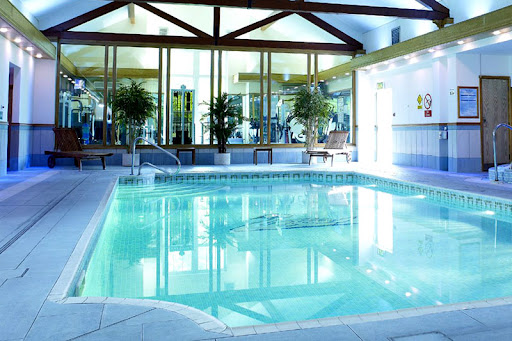

Swimming pool pumps and filters are essential components of a reliable pool circulation system. The pump moves water through the plumbing, while the filter removes suspended particles that affect water clarity and cleanliness. When these components are correctly selected and maintained, they help support effective sanitation, improve circulation, and reduce unnecessary energy consumption. Choosing unsuitable equipment, however, can lead to poor filtration, higher electricity bills, and frequent maintenance problems.
For homeowners and commercial property managers exploring Swimming Pool Solutions, selecting the right combination of pumps and filters is an important step toward achieving consistent pool performance. The best equipment depends on pool volume, plumbing design, expected usage, water treatment requirements, and available budget. Understanding how these components work together can help property owners make informed decisions that support long-term efficiency and dependable operation.
Understanding the Role of Swimming Pool Pumps
A swimming pool pump creates the water flow needed to move water through the filtration and treatment system. It draws water from the pool through the skimmers and main drains, depending on the installation, and sends it through the filter before returning it to the pool.
Adequate circulation helps distribute sanitizing chemicals, transport debris to the filtration system, and reduce stagnant areas where water quality may deteriorate.
The pump must be matched to the pool’s requirements rather than selected solely by horsepower or purchase price. An oversized pump may consume more electricity than necessary, while an undersized pump may struggle to deliver the flow required by the filter and connected equipment.
Before selecting a pump, consider:
- Total pool water volume.
- Required circulation and filtration flow rates.
- Pipe diameter, length, and layout.
- Filter specifications and pressure limitations.
- Additional equipment, such as heaters or water features.
- Daily operating schedules and electricity costs.
Evaluating these factors helps establish a practical foundation for choosing a pump that performs efficiently.
Types of Swimming Pool Pumps
Different pump designs offer different advantages. Understanding the available options can help pool owners select equipment that matches their circulation requirements and operating preferences.
Single-Speed Pumps
Single-speed pumps operate at one fixed motor speed whenever they are switched on. Their straightforward design can make them relatively simple to understand and maintain.
However, they cannot reduce motor speed when the pool needs less circulation. This can result in higher electricity consumption than a suitably configured variable-speed pump.
Single-speed models may still be used in some existing installations, but local efficiency regulations and operating costs should be considered before purchasing one for a new system.
Dual-Speed Pumps
Dual-speed pumps offer a high-speed setting and a lower-speed setting. The lower setting can be useful for routine filtration when a reduced flow rate is sufficient, while the higher setting may support tasks that require additional flow.
Although these pumps offer more flexibility than single-speed models, they provide fewer adjustment options than variable-speed systems.
Their suitability depends on the pool’s plumbing, filtration equipment, and operating requirements.
Variable-Speed Pumps
Variable-speed pumps allow users to adjust motor speed across a broader operating range. This makes it possible to tailor circulation to the pool’s needs rather than running the pump continuously at maximum speed.
When properly sized and programmed, variable-speed pumps can significantly reduce electricity consumption compared with many traditional single-speed pumps. Lower operating speeds can also reduce noise and mechanical stress in suitable installations.
They may cost more initially, but the potential reduction in energy expenses can make them a worthwhile long-term investment.
Before purchasing, check the pump’s control features, compatibility with existing equipment, installation requirements, warranty, and available local servicing.
Why Pump Sizing Matters
Correct pump sizing is one of the most important factors in achieving reliable pool performance. The goal is to provide enough flow for effective filtration and any connected equipment without creating unnecessary pressure or energy demand.
Calculate Pool Volume
Pool volume provides a starting point for understanding circulation requirements. For a rectangular pool, volume can be estimated by multiplying the length, width, and average water depth.
For example, a rectangular pool measuring 10 meters long, 5 meters wide, and averaging 1.5 meters deep contains approximately 75 cubic meters of water.
[
10 \times 5 \times 1.5 = 75\text{ m}^3
]
Irregular pool shapes require a more tailored calculation, and the actual operating water volume may differ from a simple geometric estimate.
Determine the Required Flow Rate
The required flow rate depends on the pool volume, desired circulation schedule, filter capacity, and applicable design requirements.
A common planning concept is the turnover period, which estimates how long the circulation system would take to move a volume of water equivalent to the pool’s total volume. This does not mean every portion of water passes through the filter exactly once, nor does turnover alone guarantee good water quality.
For example, moving 75 cubic meters of water over an eight-hour period would require an average theoretical flow of:
[
75 \div 8 = 9.375\text{ m}^3/\text{hour}
]
This is an illustrative calculation, not a universal pump recommendation. Actual flow must account for system resistance, filter limits, local requirements, and the needs of connected equipment.
Account for Total System Resistance
Water encounters resistance as it moves through pipes, fittings, valves, filters, heaters, and other components. Pump selection should therefore be based on the system’s required flow at its expected total dynamic head, not simply the pool volume.
A qualified pool professional can assess these factors and help avoid a system that operates inefficiently or places excessive pressure on equipment.
Understanding Swimming Pool Filters
A filter removes suspended debris from circulating water. While sanitation systems help control microorganisms, filtration physically captures particles such as dust, fine dirt, and other contaminants.
The correct filter should be compatible with the pump’s flow rate and provide adequate capacity for the pool’s size and expected use.
Three common filter types are sand, cartridge, and diatomaceous earth filters. Each has different performance characteristics and maintenance requirements.
Sand Filters
Sand filters pass water through a bed of specially graded filter media. Suspended particles become trapped as water moves through the media, and the filtered water returns to the pool.
Advantages include:
- Straightforward operation.
- Widely available equipment and replacement media.
- Familiar maintenance procedures.
- Suitability for many residential and commercial installations.
Sand filters generally require periodic backwashing or other manufacturer-approved cleaning procedures. Backwashing consumes water, so it should be performed according to the filter’s condition and operating instructions.
The media may also require eventual replacement or servicing, depending on its type and condition.
Cartridge Filters
Cartridge filters use pleated filter elements to capture suspended particles. They are popular in many residential pools because they can provide effective filtration and typically do not require conventional backwashing.
Key benefits include:
- Reduced water use during routine cleaning.
- Effective particle removal when correctly selected.
- Relatively straightforward cartridge maintenance.
- Flexible installation options for many pool systems.
Cartridges must be removed and cleaned according to manufacturer instructions. Damaged, worn, or heavily contaminated elements may need replacement.
Cartridge filters can be particularly attractive where water conservation is important, although their suitability depends on pool usage, filter capacity, and maintenance preferences.
Diatomaceous Earth Filters
Diatomaceous earth filters use a fine filtering medium to capture relatively small particles. They can produce very clear water when correctly operated and maintained.
These systems may require more detailed maintenance than some other filter types. Owners must follow instructions for cleaning, replenishing filter media, handling materials safely, and disposing of waste.
Before selecting this option, consider maintenance requirements, local rules, operating costs, and the availability of suitable service support.
How to Choose the Right Filter Size
A filter must be sized to handle the intended water flow without exceeding its rated capacity. A filter that is too small may experience excessive pressure, reduced performance, or frequent cleaning requirements.
When evaluating filter options, review the following specifications:
- Rated flow capacity: Confirm that the filter can handle the planned operating flow.
- Filter area or media capacity: Consider how much water the filter can process under its rated conditions.
- Cleaning requirements: Compare the frequency, effort, and resources needed for maintenance.
- Water conservation: Evaluate whether backwashing or other cleaning procedures consume significant amounts of water.
- Replacement parts: Check the availability and cost of cartridges, media, seals, and other components.
- Equipment compatibility: Ensure that the pump and filter can operate together within their specified limits.
A larger filter may offer more capacity and longer intervals between cleaning, but the benefits depend on the design and intended use. The best choice is a properly sized system rather than simply the largest available model.
Matching Pumps and Filters for Better Performance
Pump and filter selection should be treated as a combined decision. Even a high-quality pump cannot compensate for an unsuitable filter, and an efficient filter cannot deliver its intended performance if water flow is poorly controlled.
Keep Flow Within Filter Specifications
The pump’s operating flow must remain within the filter manufacturer’s permitted range. Excessive flow can reduce filtration effectiveness and increase pressure, while insufficient flow may affect connected equipment and the circulation schedule.
Variable-speed pumps can help manage flow more precisely when correctly configured.
Consider Plumbing Design
Pipe diameter, bends, valves, fittings, and the distance between equipment components all influence resistance. Poorly designed plumbing can increase the energy needed to move water through the system.
Where possible, use appropriate pipe sizing and avoid unnecessary restrictions. Existing systems may need professional assessment before equipment upgrades are made.
Check Pressure and Flow During Operation
Filter pressure readings provide useful information about system performance. A gradual increase may indicate that debris is accumulating, while unexpectedly low pressure could suggest a blockage, air leak, pump issue, or other circulation problem.
Record normal operating readings after the system has been cleaned and correctly configured. Comparing future readings against this baseline can help identify maintenance needs.
Improving Energy Efficiency
Pumps are often among the largest electricity consumers in a swimming pool system. Selecting efficient equipment and operating it correctly can help reduce energy expenses without compromising water quality.
Use Variable-Speed Operation
A variable-speed pump can run at lower speeds for routine circulation and increase speed when specific equipment requires greater flow.
The energy savings depend on the pump, plumbing, operating schedule, and electricity rates. Correct programming is essential because unnecessarily high speeds can waste energy, while inadequate circulation can affect filtration and sanitation.
Maintain Clean Filters
As debris accumulates, filter resistance can increase. This may affect flow and force the system to operate under less favorable conditions.
Clean the filter according to the manufacturer’s guidance and monitor pressure readings to determine when servicing is needed. Avoid unnecessary cleaning cycles that waste water or shorten component life.
Optimize Operating Schedules
The ideal pump schedule depends on pool usage, temperature, weather, sanitizer requirements, and the needs of connected equipment.
Review schedules seasonally and after significant changes to the pool system. A properly configured schedule should balance energy efficiency with reliable circulation and effective water treatment.
Consider Equipment Automation
Compatible automation systems can schedule pump operation, coordinate heating, and monitor selected operating conditions. These features can make it easier to avoid unnecessary runtime and identify equipment problems.
Automation should be selected according to actual needs and must not override essential circulation or sanitation requirements.
Routine Maintenance for Pumps and Filters
Regular maintenance helps preserve performance, prevent avoidable failures, and extend equipment lifespan.
Inspect Pump Baskets
Remove leaves and other debris from the pump strainer basket as needed. A clogged basket can restrict water flow and interfere with normal operation.
Switch off the pump and follow the manufacturer’s procedure before opening the strainer housing. Never open equipment while it is pressurized.
Check for Leaks and Unusual Noise
Inspect visible pump connections, seals, and nearby plumbing for signs of leakage. Pay attention to persistent grinding, rattling, vibration, or repeated loss of prime.
These symptoms may indicate restricted flow, air entering the system, worn components, or other problems that require investigation.
Clean Filters Correctly
Each filter type requires a specific cleaning procedure. Follow the manufacturer’s instructions for backwashing, cartridge cleaning, or servicing filter media.
Avoid harsh cleaning products or methods that could damage filter elements. Replace worn or damaged parts when necessary.
Monitor Gauges and Connections
Check pressure gauges, valves, fittings, and accessible plumbing for unusual changes. Faulty gauges may give misleading readings, so replace damaged components as appropriate.
For persistent pressure changes, leaks, electrical faults, or internal pump problems, seek assistance from a qualified pool technician.
Common Mistakes When Selecting Pool Pumps and Filters
Choosing equipment without considering the complete circulation system can lead to avoidable costs and performance issues.
Common mistakes include:
- Choosing a pump based only on horsepower: Horsepower alone does not establish the required operating flow or efficiency.
- Installing an undersized filter: Insufficient filter capacity can reduce performance and increase maintenance demands.
- Oversizing the pump: Excessive flow can waste electricity and exceed equipment limits.
- Ignoring plumbing resistance: Pipe layout and fittings affect the pump’s operating conditions.
- Overlooking cleaning requirements: Different filters have different water, labor, and replacement needs.
- Neglecting manufacturer specifications: Equipment must operate within its rated pressure and flow limits.
- Delaying maintenance: Clogged baskets, dirty filters, and worn seals can interfere with reliable operation.
Avoiding these errors helps create a circulation system that is easier to manage and more economical to operate.
Residential and Commercial Pool Considerations
The best pump and filter combination varies according to the pool’s intended use.
Residential pools often prioritize quiet operation, manageable maintenance, energy efficiency, and affordability. Variable-speed pumps and suitably sized filters may help homeowners balance these priorities.
Commercial pools generally experience more frequent use and may be subject to specific public health requirements. Hotels, fitness centers, community pools, and aquatic facilities may require greater filtration capacity, documented maintenance procedures, and more frequent water-quality monitoring.
Commercial operators should select equipment based on peak demand, occupancy, water treatment requirements, and applicable regulations. Professional design and commissioning can help ensure that the system is suited to the facility’s operational needs.
Conclusion
Choosing the right swimming pool pumps and filters is essential for maintaining water clarity, effective circulation, energy efficiency, and dependable equipment performance. Pool owners should consider water volume, required flow, plumbing resistance, filter capacity, maintenance requirements, and long-term operating costs before making a purchase.
Variable-speed pumps, appropriately sized filters, efficient plumbing, and consistent maintenance can help improve performance while reducing unnecessary energy and water consumption. The most effective system is one in which every component works together within its specified operating limits.
By investing in suitable equipment and following a regular maintenance schedule, residential and commercial pool owners can support better water quality, reduce avoidable repairs, and enjoy more reliable swimming pool operation over the long term.