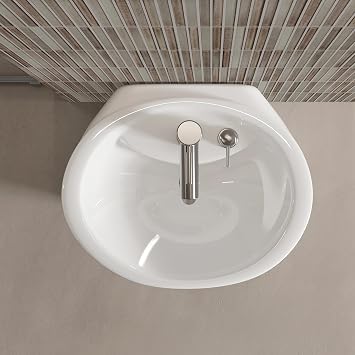

Wudu Basin for Muslim Homes: Features to Consider Before Buying
A dedicated wudu basin can make performing ablution at home more comfortable, convenient, and organized. For Muslim households, choosing the right fixture involves more than appearance. Its dimensions, height, drainage system, material, and accessibility all influence how well it supports daily washing routines.
Before purchasing, homeowners should consider the bathroom layout, the needs of family members, and the available plumbing connections. A suitable Wudu Basin for Muslim households can help create a practical ablution area that fits naturally into a modern or traditional home. By comparing essential features before making a decision, buyers can avoid common installation problems and select a basin that offers lasting value.
1. Choose a Basin Designed for Ablution
The first consideration is whether the basin’s design suits the washing activities required during wudu. A conventional bathroom sink may be suitable for washing hands and face, but it might not provide enough space or the right configuration for comfortable foot washing.
Some dedicated wudu basins feature deeper bowls, extended washing areas, or specialized shapes. Other designs may include a seating arrangement or a raised foot-washing section. Features vary between products, so examine the actual dimensions and intended use rather than relying on the product name alone.
Choose a design that allows family members to wash comfortably without excessive bending, awkward reaching, or unnecessary splashing.
2. Measure the Available Bathroom Space
Accurate measurements help ensure that the basin fits without restricting movement. Before shopping, measure the available wall width, the distance the basin can project into the room, and the space needed to approach and use it.
Compact homes may benefit from narrow or corner-mounted designs, while larger bathrooms can accommodate wider basins with additional washing space. Remember to account for nearby toilets, shower enclosures, doors, cabinets, and other fixtures.
It is also important to leave enough clearance for cleaning and future maintenance. A basin that fits the wall but obstructs the entrance or creates a cramped washing position may not be a practical choice.
3. Consider the Installation Height
The basin’s height has a direct effect on comfort. If it is too low, users may need to bend excessively. If it is too high, washing the feet or lower legs can become difficult.
The appropriate height depends on the basin’s design, the posture required during ablution, and the people who will use it. In family homes, the needs of adults, children, and older family members may differ.
Before installation, review the manufacturer’s recommendations and consider how users will approach the basin. If accessibility is a priority, plan the layout to accommodate people with limited mobility wherever possible.
4. Select a Durable and Easy-to-Clean Material
Material affects the basin’s appearance, maintenance requirements, and expected lifespan. Several options are available for residential bathrooms.
- Ceramic: Commonly used because its smooth surface is generally easy to clean and suits many interior styles.
- Porcelain: Offers a refined finish and can be a practical choice for regular household use.
- Solid surface: Often provides a seamless, contemporary appearance and may allow certain surface imperfections to be repaired, depending on the product.
- Natural stone: Adds distinctive texture and character but may require sealing and specialized cleaning.
When comparing materials, consider resistance to staining, the manufacturer’s care instructions, and compatibility with household cleaning products. A durable surface that is simple to maintain is particularly useful when the basin is used several times a day.
5. Check the Drainage System
Effective drainage is essential for keeping the ablution area clean and reducing standing water. Examine the position of the drain, the shape of the basin, and the way the bowl directs water toward the outlet.
A suitable design should allow water to flow away efficiently during normal use. The drain fitting must also match the basin’s outlet, and the waste pipe should be installed with the correct alignment and slope.
For additional convenience, make sure the drain and trap remain accessible for cleaning or repairs. Poor drainage can lead to unpleasant odors, slow emptying, and water accumulation around the fixture.
6. Choose the Right Faucet
The faucet should match the basin’s size and shape. A spout that is too short may make washing uncomfortable, while a poorly positioned or excessively high spout can cause water to splash outside the bowl.
Single-lever mixer faucets allow users to adjust flow and temperature with one handle. Traditional taps may suit certain interiors, while sensor-operated faucets can be useful where reducing contact is a priority.
For a family bathroom, select a faucet that is easy to operate and simple to maintain. Water-saving fittings may also help reduce consumption, provided they deliver an appropriate flow for the basin’s intended use.
7. Decide Between Wall-Mounted and Floor-Supported Designs
The mounting style influences floor space, appearance, cleaning, and installation requirements.
Wall-Mounted Wudu Basins
Wall-mounted models can make a small bathroom feel more open because they leave floor space beneath the fixture. They can also simplify cleaning around the basin.
However, the wall and mounting hardware must provide adequate support. Check whether reinforcement is required and confirm that the plumbing can be connected correctly.
Floor-Supported Designs
Pedestal or floor-supported basins can provide a traditional appearance and may offer additional structural support. They generally occupy more floor space and can make cleaning around the base more involved.
Countertop or Integrated Designs
These options can complement modern bathrooms and provide a coordinated surface around the bowl. Check the dimensions of the complete unit, the strength of the supporting structure, and the sealing requirements before purchasing.
The best mounting style depends on the room layout, preferred appearance, and available plumbing.
8. Prioritize Water Management and Floor Safety
Water can splash onto the floor during ablution, especially when washing the feet. The basin should therefore be designed and installed to manage water effectively.
Look for a suitable bowl depth, well-positioned faucet, and drainage arrangement that helps limit splashing and pooling. The surrounding floor should also be appropriate for wet conditions and easy to clean.
In a family home, keeping towels and toiletries organized can help prevent clutter around the basin. Avoid placing loose mats or accessories where they could create slipping or tripping hazards.
Good ventilation and regular cleaning further help maintain a comfortable bathroom environment.
9. Match the Basin to Your Home’s Interior Style
A wudu basin should be functional, but it can also contribute to the overall appearance of the bathroom. Choose a shape, finish, and color that coordinate with the existing tiles, faucets, cabinetry, and lighting.
Minimalist designs with clean lines often suit contemporary interiors. Rounded shapes and traditional finishes may complement more classic bathrooms, while natural textures can create a distinctive look.
White and other neutral colors are versatile choices, but the best finish depends on the surrounding design and the material’s maintenance requirements. Consider the complete bathroom rather than selecting the basin in isolation.
10. Review Plumbing and Installation Requirements
Before buying, confirm that the selected basin is compatible with the home’s existing water supply and waste connections. Some installations may require plumbing adjustments, additional wall support, or a different drain position.
Check the product’s installation instructions, mounting hardware requirements, faucet-hole configuration, and outlet dimensions. If the basin is intended for a location that was not previously used for washing, additional plumbing work may be necessary.
Hiring a qualified plumber or installer can help ensure secure mounting, leak-free connections, and appropriate drainage. Planning these details in advance can reduce unexpected costs and delays.
11. Compare Price, Warranty, and Long-Term Value
The lowest-priced basin is not always the most economical choice over time. Buyers should compare material quality, included fittings, installation expenses, cleaning requirements, and the availability of replacement parts.
A basin with a durable finish and a practical design may offer better long-term value than one that requires frequent repairs or specialized maintenance.
Before purchasing, review the warranty terms and confirm which components are covered. It is also helpful to check whether replacement faucets, drains, and mounting accessories are readily available.
A realistic budget should include the basin, installation, plumbing modifications, and any necessary improvements to the surrounding area.
12. Use a Buying Checklist Before Making Your Decision
A simple checklist can help homeowners compare different models consistently.
- Confirm the basin is suitable for the intended ablution activities.
- Measure the available installation area and movement clearance.
- Check the bowl’s depth, width, and installation height.
- Select a durable material that is easy to maintain.
- Review the faucet position and water-flow requirements.
- Confirm the drain outlet and plumbing connections are compatible.
- Consider accessibility and the needs of different family members.
- Check mounting requirements and installation costs.
- Review the warranty and availability of replacement parts.
- Ensure the design complements the bathroom’s overall style.
Taking time to evaluate these points can make the purchasing process more straightforward and help prevent avoidable installation issues.
Conclusion
Choosing a wudu basin for a Muslim home requires a balance of comfort, functionality, durability, and design. The right fixture should support the intended ablution activities while fitting the available space and working efficiently with the home’s plumbing.
Before buying, compare the basin’s dimensions, material, mounting style, faucet configuration, drainage system, and maintenance requirements. Consider the needs of everyone in the household and plan the installation carefully. With the right combination of features, a dedicated wudu basin can become a practical and attractive part of the home for everyday use.