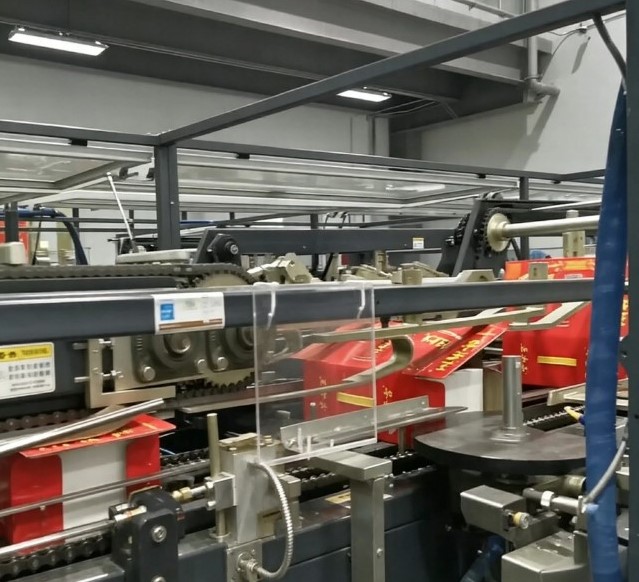

Installing new packaging equipment involves more than bringing a machine into the factory and connecting the power. The product, cartons, floor layout, utilities, production targets, and operator workflow all need attention before installation day.
A wrap around packer can become an important part of an automated packaging line, so preparation matters. A clear installation plan helps manufacturers avoid unexpected delays and gives the equipment a better starting point once production begins.
Understand Your Products First
Start with the products that the machine will handle. Product dimensions, weight, shape, surface characteristics, and arrangement can influence the machine configuration.
Create a product list that includes every format you expect to run. Include current products as well as products you plan to introduce in the near future.
This information gives the equipment supplier a clearer picture of your actual production requirements.
Confirm Your Carton Specifications
Cartons play a major role in the packing process. Even small differences in carton dimensions or board quality can affect folding, product positioning, and sealing.
Before installation, confirm the carton specifications that the machine requires. Gather samples from your actual packaging supplier instead of relying only on measurements.
Check details such as:
- Carton length, width, and height
- Board thickness
- Material strength
- Scoring and cutting quality
- Printing or surface coatings
- Storage conditions
Testing actual cartons can reveal problems before they reach the production floor.
Plan the Machine Location
The available floor space should influence the installation plan from the beginning. Measure the proposed area and account for more than the machine’s physical footprint.
Leave enough room for operators to work safely and technicians to access service points. Also consider carton storage, product movement, electrical connections, and nearby equipment.
A practical layout should allow materials to move through the line without unnecessary backtracking or congestion.
Review the Complete Production Line
A new packer needs to work with the equipment around it. Look at the upstream product handling system and downstream case handling equipment before finalizing the installation location.
Product flow should remain smooth as products enter the packing area. Completed cases also need enough space and capacity to move toward the next stage.
Discuss line speeds and communication signals with your equipment supplier. This step can prevent integration problems after installation.
Check Electrical and Utility Requirements
Your facility needs to support the equipment before the installation team arrives. Confirm the required electrical supply and any other utilities specified for the machine.
Depending on the configuration, the installation may require connections for compressed air, adhesive systems, or other supporting equipment.
Have qualified personnel verify that the available utilities match the machine requirements. Completing this work ahead of time can shorten the installation process.
Consider Adhesive Requirements
Some wrap around packaging systems use adhesive to form and seal cartons. The adhesive system needs appropriate materials and operating conditions to deliver reliable results.
Confirm which adhesive the equipment requires and how your facility will store and supply it.
Also consider the following:
- Adhesive storage
- Operating temperature
- Application points
- Cleaning requirements
- Operator access
- Safety procedures
Getting these details right early helps avoid unnecessary interruptions during commissioning.
Prepare Product and Carton Samples
Real production samples provide valuable information during machine setup. Prepare representative products and cartons before installation or testing.
Include samples from different production formats when you expect the machine to handle multiple products.
Your supplier can use these materials to verify product handling, carton formation, and package quality under realistic conditions.
Define Your Production Targets
Know what you expect the machine to accomplish before installation. A target such as “faster packing” does not provide enough detail for proper planning.
Set measurable goals based on your production environment.
These may include:
- Required cases per minute
- Number of products per case
- Number of daily production hours
- Expected changeover frequency
- Acceptable reject rate
- Number of product formats
Clear targets make it easier to evaluate the machine after commissioning.
Plan for Changeovers
A production line may handle several products or carton formats. Those changes need consideration before the machine arrives.
Identify which products require different settings and determine how operators will make those adjustments.
Ask the supplier to explain the changeover process during training. Operators should understand which settings require adjustment and how to confirm that the new format runs correctly.
Prepare the Installation Area
The installation area should remain clear before the equipment arrives. Remove unnecessary materials and make sure the installation team has a safe route to the designated location.
Check door widths, loading areas, ceiling clearance, and access routes when the machine needs to enter the facility.
These details sound simple, yet they can cause avoidable delays when teams overlook them.
Think About Operator Access
Operators need practical access to the machine during normal production. Controls, material replenishment points, inspection areas, and adjustment locations should support an efficient workflow.
Avoid placing equipment where operators must repeatedly cross active conveyor paths or reach awkwardly around other machinery.
A good installation considers the people who will work with the machine every day.
Make Safety Part of the Layout
Safety should remain part of the installation plan rather than something added after commissioning.
Review machine guarding, emergency stops, access points, electrical isolation, and operator movement around the equipment.
Your facility’s safety procedures should also align with the machine’s operating requirements. Qualified personnel should complete the necessary safety checks before production starts.
Schedule Training Before Full Production
Even a well-installed machine needs knowledgeable operators. Schedule training as part of the installation project rather than waiting until production problems appear.
Training should cover normal operation, product changes, basic adjustments, cleaning, safety procedures, and common operating issues.
Operators should also know when to stop the machine and request technical assistance instead of attempting an adjustment they do not understand.
Decide Who Handles Maintenance
Establish maintenance responsibilities before production begins. Your team should know which routine tasks belong to operators and which tasks require maintenance personnel or specialist support.
Create a basic maintenance schedule based on the equipment manufacturer’s recommendations.
Keep records of inspections, adjustments, replaced components, and recurring problems. These records can help your team understand machine condition over time.
Plan the Commissioning Process
Do not treat installation and production startup as the same event. Commissioning gives the team an opportunity to test the equipment under controlled conditions.
A typical startup process should include:
- Checking machine connections
- Running the equipment without product
- Introducing products at a controlled rate
- Testing carton formation
- Checking adhesive application
- Inspecting finished packages
- Testing different product formats
- Confirming line communication
- Training operators
- Recording final machine settings
A careful commissioning process gives the team time to identify and correct issues before full-scale production.
Keep Spare Parts and Consumables Ready
Ask the supplier which replacement parts and consumables your facility should keep available. Having commonly needed items on hand can reduce delays when routine service becomes necessary.
The recommended stock depends on machine configuration and production conditions. Your supplier can help identify the most practical items for your operation.
Do not stock large quantities of unnecessary parts. Focus on components that make sense for your expected usage and service plan.
Work With the Supplier Before Installation
Communication with the equipment supplier can prevent many installation problems. Share product details, carton samples, production targets, factory layout information, and utility specifications early.
Techflow Pack can help manufacturers review these requirements when planning an automated packaging installation.
The more information your supplier receives before installation, the easier it becomes to prepare the machine and installation process around your actual production environment.
What Should You Check Before Production Starts?
Before moving into regular production, review the complete setup. Confirm that the machine handles your products correctly and that finished cartons meet your quality requirements.
Also verify that operators understand the controls, safety procedures, changeover process, and basic troubleshooting steps.
A final checklist can include:
- Product handling
- Carton formation
- Adhesive application
- Case sealing
- Machine speed
- Product spacing
- Safety functions
- Operator training
- Maintenance procedures
- Line communication
Final Thoughts
Installing packaging equipment works best when preparation starts well before the machine reaches the factory. Product testing, carton specifications, floor space, utilities, line integration, safety, training, and commissioning all deserve attention.
Taking time to plan these areas can make installation smoother and help the equipment reach its intended production performance sooner.
Techflow Pack understands that every production line has different requirements. Careful planning with the equipment supplier can help ensure the new packaging system fits the products, workflow, and production goals of the facility.