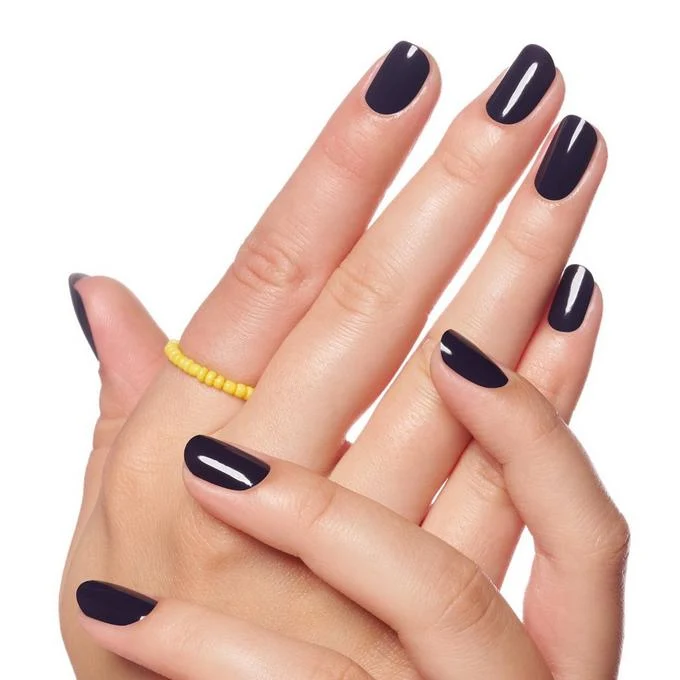

Managing a gel nail polish inventory involves more than keeping products neatly arranged on shelves. Beauty salons, nail studios, and retailers need proper storage practices to maintain product quality, prevent unnecessary waste, and ensure popular shades are always available. Without an organized system, businesses may experience expired stock, damaged bottles, purchasing mistakes, and difficulty locating products.
A well-planned approach to handling Wholesale Gel Nail Polish can make daily operations more efficient and help businesses manage purchasing costs. By establishing suitable storage conditions, tracking stock levels, and organizing products carefully, beauty businesses can protect their inventory and maintain a reliable selection for customers.
1. Store Gel Nail Polish Away from Direct Sunlight
Light exposure is an important consideration when storing gel nail polish. Many gel formulas contain light-sensitive ingredients that can begin curing when exposed to suitable UV or LED light.
Keep bottles away from direct sunlight, windows, and nail curing lamps. Even accidental exposure during daily salon activities can affect products if bottles are left open or improperly stored.
Consider using closed cabinets, drawers, or designated storage containers that provide protection from unnecessary light exposure.
2. Maintain a Stable Storage Temperature
Temperature fluctuations can affect the consistency and performance of gel nail polish. Excessive heat may change product texture, while unsuitable storage conditions can contribute to separation or other quality problems.
Follow the manufacturer’s recommended storage temperature for each product. In general, keep inventory in a cool, dry environment away from heaters, radiators, and other heat sources.
Avoid leaving polish bottles inside vehicles or near windows where temperatures can rise significantly.
3. Keep Bottles Tightly Sealed
Gel nail polish can become thicker when exposed to air for extended periods. Properly closing bottles after use helps reduce unnecessary exposure and keeps the product easier to apply.
Salon staff should develop a simple closing routine:
- Clean the bottle neck when necessary.
- Remove excess polish from the opening.
- Check that the cap is properly tightened.
- Return the bottle to its designated storage location.
- Avoid leaving bottles open while working on other tasks.
These small habits can help prevent product waste and maintain a consistent application experience.
4. Organize Products by Color and Collection
An organized storage system makes it easier for employees to find products and helps prevent purchasing duplicate shades unnecessarily.
Businesses can arrange gel polish according to several categories:
- Color families, such as pink, red, blue, and green.
- Finish types, including glitter, shimmer, and magnetic effects.
- Seasonal collections.
- Product brands or manufacturers.
- Frequently used and specialty shades.
Clear labels and color charts can make identification easier, particularly when multiple bottles have similar packaging.
5. Use a First-In, First-Out Inventory System
The First-In, First-Out (FIFO) method helps businesses use older inventory before newer stock.
When new products arrive, place them behind existing bottles rather than automatically putting them at the front. This encourages staff to select earlier purchases first.
FIFO is particularly useful for salons and retailers that purchase products in bulk. It helps reduce the likelihood of older stock remaining unused while newer products are opened.
However, always check the manufacturer’s expiration guidance and product condition. FIFO should never mean using products that have expired or show signs of deterioration.
6. Track Expiration Dates and Batch Information
Inventory management should include accurate product records. Recording expiration dates and batch numbers makes it easier to monitor stock and identify products that need attention.
A simple inventory spreadsheet can include:
| Inventory detail | Information to record |
|---|---|
| Product name | Brand and gel polish collection |
| Color or shade | Exact shade name or number |
| Batch number | Manufacturer’s batch identification |
| Purchase date | Date the stock was received |
| Expiration information | Manufacturer’s stated expiry or period after opening |
| Quantity | Number of bottles available |
| Supplier | Source of the product |
Review these records regularly and follow the manufacturer’s instructions for products that have been opened.
7. Avoid Overordering Slow-Moving Shades
Buying in bulk can offer purchasing advantages, but ordering too much stock can create storage and cash-flow problems.
Not every color will sell or be used at the same rate. Popular nude, pink, red, and neutral shades may require more frequent replenishment, while specialty colors may move more slowly.
Review sales history and product usage before placing new orders. Consider purchasing smaller quantities of unfamiliar shades until their demand becomes clearer.
This approach helps businesses maintain variety without tying up too much money in products that may remain unused.
8. Establish Minimum and Maximum Stock Levels
Setting stock limits helps prevent both shortages and excessive inventory.
A minimum stock level identifies when a product needs to be reordered. A maximum stock level helps prevent unnecessary purchases that exceed available storage space or expected demand.
For example, a salon might establish different reorder points for frequently used base colors and less popular specialty shades.
These levels should reflect actual product usage, supplier delivery times, and seasonal demand rather than relying on the same quantity for every shade.
9. Inspect New Deliveries Before Storing Them
Checking products when they arrive can prevent damaged or incorrect items from entering regular inventory.
During receiving, staff should:
- Confirm the delivered quantities against the purchase order.
- Check that the correct shades and collections were supplied.
- Inspect bottles for cracks, leaks, or damaged caps.
- Review packaging and product labels.
- Record batch numbers and relevant expiration information.
- Separate questionable products for supplier follow-up.
Keep damaged or potentially compromised products away from usable inventory until their condition has been assessed.
10. Keep Storage Areas Clean and Organized
A clean storage environment helps protect products and makes inventory checks easier.
Wipe shelves and drawers regularly, remove spills promptly, and avoid placing bottles near dust, moisture, or sources of contamination.
Use suitable organizers to keep bottles upright and reduce the chance of accidental spills. Avoid overcrowding shelves, as tightly packed products are more difficult to inspect and retrieve.
It is also helpful to assign responsibility for checking storage areas so that organization remains consistent across staff shifts.
11. Use Digital Tools to Manage Inventory
As a beauty business grows, manual stock records can become difficult to maintain. Digital inventory tools can make it easier to monitor product quantities, purchases, and sales.
A spreadsheet may be sufficient for a small nail studio. Larger salons and retailers may benefit from inventory software that supports:
- Stock quantity updates.
- Product categories and shade references.
- Purchase and sales records.
- Low-stock notifications.
- Supplier information.
- Expiration and batch tracking.
Choose a system that matches the size of the business and is simple enough for employees to update consistently.
12. Train Employees in Proper Product Handling
Even a well-designed storage system can fail if employees do not follow the same procedures.
Provide clear instructions on closing bottles, cleaning product openings, avoiding light exposure, and returning products to their correct locations.
Staff should also know how to recognize changes in product appearance or consistency. Unusual thickening, separation, leakage, or changes in performance should be reported rather than ignored.
Consistent handling practices help reduce preventable waste and support a more reliable service experience.
13. Review Inventory Performance Regularly
Inventory management should be an ongoing process rather than an occasional cleanup task.
Schedule regular reviews to identify which products are selling quickly, which shades are rarely used, and which items need replenishment. Compare purchasing records with actual usage to improve future ordering decisions.
Useful performance indicators include:
- Monthly product usage.
- Number of stock shortages.
- Value of unused inventory.
- Products approaching their expiration dates.
- Frequency of repeat purchases.
- Amount of damaged or wasted stock.
These figures can help business owners make more informed purchasing and storage decisions.
Conclusion
Proper storage and inventory management are essential for businesses that work with gel nail polish in large quantities. Protecting products from unsuitable light and temperature conditions, keeping bottles sealed, organizing shades, and tracking expiration information can help preserve product quality and reduce waste.
A reliable inventory system also makes daily operations easier by helping staff locate products, identify replenishment needs, and avoid unnecessary purchases. Whether managing a small nail salon or a larger beauty retail business, consistent storage routines and regular stock reviews can support better organization, improved cost control, and more efficient business operations.