
In the competitive world of luxury and fashion retail, first impressions matter more than ever. For watch retailers, the way products are presented can directly influence customer interest, engagement, and ultimately purchasing decisions. A visually appealing store environment helps communicate brand value, highlight craftsmanship, and guide customers through a curated shopping experience.
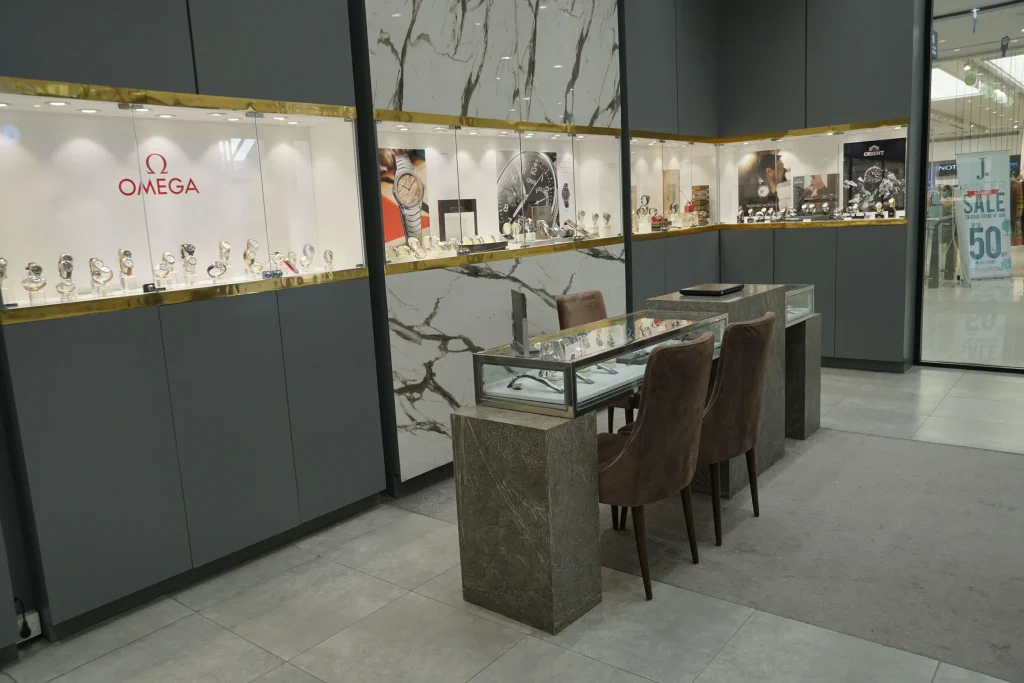
A well-designed Watch Store Display is not just about showcasing products—it is about creating an inviting atmosphere that encourages exploration. A carefully structured Watch Store Display helps retailers present timepieces in a way that emphasizes quality, enhances visibility, and supports a smooth customer journey from browsing to buying.
Table of Contents
ToggleUnderstanding the Role of Store Displays in Watch Retail
Watch displays serve as the visual foundation of a retail space. Since watches are often considered luxury items, customers expect a presentation that reflects sophistication and attention to detail.
An effective display does more than organize products. It:
- Communicates brand identity
- Highlights product craftsmanship
- Encourages customer interaction
- Builds trust and perceived value
When customers enter a store, their decision to explore further is heavily influenced by what they see in the first few seconds. This makes display design a critical element of retail success.
Designing an Eye-Catching Store Layout
A strong store layout guides customers naturally through the space while maintaining visual interest. The goal is to create a flow that feels intuitive and engaging rather than overwhelming.
Create Clear Product Zones
Organizing watches into distinct categories helps simplify the shopping experience. Common zoning strategies include:
- Luxury collections
- Sports and performance watches
- Minimalist or everyday designs
- Limited editions or featured items
This structure allows customers to quickly identify areas of interest without confusion.
Use Focal Points Strategically
Focal points draw attention to specific products or collections. These are often placed at eye level or in central locations within the store. Highlighting best-selling or premium watches in these areas increases visibility and encourages deeper engagement.
Maintain Balanced Spacing
Proper spacing between displays prevents clutter and ensures each product has room to stand out. Overcrowded layouts can reduce perceived value and make it difficult for customers to focus on individual watches.
Enhancing Visual Appeal Through Lighting
Lighting is one of the most powerful tools in retail display design. It directly affects how customers perceive color, texture, and quality.
Effective lighting techniques include:
- Spotlighting: Focuses attention on individual watches
- Ambient lighting: Creates a comfortable overall atmosphere
- Accent lighting: Highlights premium collections or featured items
- Warm tones: Enhance luxury perception and emotional appeal
When used correctly, lighting can transform a simple display into a visually compelling presentation that captures attention instantly.
Choosing the Right Materials for Display Fixtures
Materials play a significant role in shaping the overall aesthetic of a watch store. High-quality materials reinforce brand credibility and enhance product presentation.
Popular choices include:
- Glass for transparency and elegance
- Wood for warmth and sophistication
- Metal for a modern, premium look
- Acrylic for lightweight and flexible design
Combining these materials strategically helps create a balanced environment that feels both luxurious and inviting.
Incorporating Interactive Elements
Modern customers expect more than static displays. Adding interactive features can significantly increase engagement and improve the shopping experience.
Some effective ideas include:
- Digital screens with product details and brand stories
- QR codes linking to online catalogs or videos
- Try-on stations with mirrors and seating areas
- Touch-enabled product exploration tools
These elements encourage customers to spend more time in-store and develop a stronger connection with the products.
Creating an Emotional Connection Through Presentation
A successful watch display should do more than showcase products—it should tell a story. Emotional connection plays a key role in purchasing decisions, especially for luxury items.
Retailers can build this connection by:
- Using lifestyle-based themes in displays
- Showcasing watches in real-world contexts
- Highlighting craftsmanship and heritage stories
- Designing immersive visual experiences
When customers can imagine how a watch fits into their lifestyle, they are more likely to consider purchasing it.
Maintaining Consistency and Regular Updates
Consistency is essential for maintaining a strong brand image. At the same time, displays should be updated regularly to keep the store feeling fresh and relevant.
Best practices include:
- Refreshing layouts for seasonal collections
- Rotating featured products frequently
- Maintaining consistent branding across all display zones
- Keeping displays clean, organized, and well-maintained
Regular updates also encourage repeat visits from customers who want to see new arrivals or updated collections.
Conclusion
Creating an attractive watch store environment requires a careful balance of design, lighting, materials, and storytelling. Every detail contributes to how customers perceive the brand and interact with products. A thoughtfully designed Watch Store Display helps retailers build an inviting atmosphere that draws attention, encourages exploration, and enhances overall customer experience. By focusing on clarity, engagement, and emotional appeal, retailers can create displays that not only attract customers but also support long-term brand success.