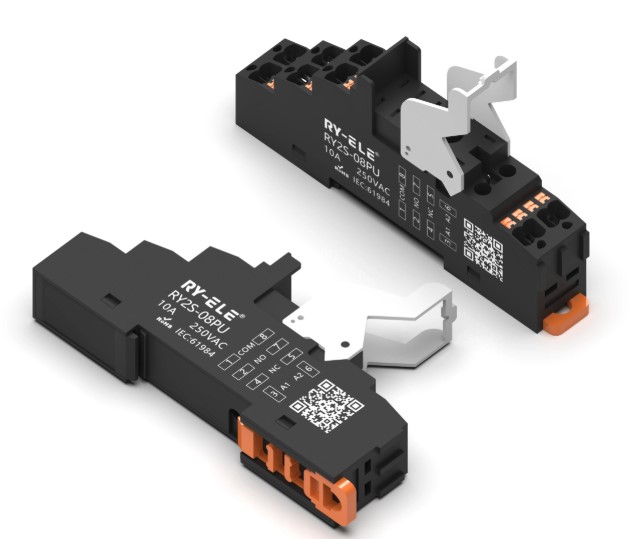

Reliable electrical control systems help industrial equipment operate consistently, safely, and efficiently. Machines often depend on numerous switching functions to coordinate motors, valves, sensors, actuators, indicators, and other electrical devices throughout an operating cycle.
Industrial control relays provide a practical switching interface between control circuits and connected loads. Their ability to respond to electrical signals makes them useful in automation equipment where different components need coordinated control without placing excessive demands on the primary control system.
The Role of Relays in Electrical Control
A relay uses an electrical control signal to operate a set of contacts. Depending on its configuration, those contacts can open or close another circuit when the relay coil receives the required voltage.
This basic function supports many industrial control arrangements. A controller can issue a relatively low-power signal while the relay manages a separate circuit that operates the intended device.
The result provides engineers with greater flexibility when connecting controllers to field equipment.
Creating Better Separation Between Circuits
Electrical control systems often contain circuits with different operating requirements. A relay can help separate the control side from the switched load side.
For example, a PLC output may energize a relay coil while the relay contacts control a valve, indicator, contactor, or other device. This arrangement helps organize the electrical architecture and simplifies the interface between different components.
Circuit separation also gives designers more options when developing or modifying machine-control systems.
Supporting Consistent Switching
Industrial equipment may perform the same electrical operations repeatedly throughout the day. A relay must therefore match the switching demands of the application.
The expected operating cycle provides an important selection reference. Equipment that switches frequently requires appropriate electrical and mechanical endurance to support long-term performance.
Engineers should compare the expected switching conditions with manufacturer specifications before selecting a relay.
Matching Relays to Electrical Loads
Load characteristics have a direct effect on relay performance. A relay that works well with one type of load may not provide the same results under another switching condition.
Common factors to review include:
- Load voltage
- Load current
- AC or DC operation
- Resistive or inductive load characteristics
- Switching frequency
- Contact configuration
- Required electrical endurance
Inductive loads deserve particular attention because devices such as solenoids and contactors may generate voltage transients during switching.
Choosing the Correct Contact Arrangement
The contact configuration should match the intended control sequence. Normally open contacts remain open until the relay operates, while normally closed contacts follow the opposite switching behavior.
Changeover contacts provide additional flexibility by allowing a relay to switch between two circuit paths. Selecting the correct arrangement can simplify control logic and reduce the need for additional switching components.
Engineers should define the required circuit state before choosing the relay configuration.
Managing Heat and Operating Conditions
Thermal conditions can influence the performance of electrical components. Control cabinets with numerous energized devices may experience higher internal temperatures, particularly during continuous operation.
Relay selection should therefore include an evaluation of the specified operating temperature range. Cabinet ventilation, cooling, component spacing, and surrounding equipment also affect the thermal environment.
Maintaining appropriate operating conditions helps support consistent relay performance over time.
Why Coil Characteristics Matter
The relay coil must correspond with the control system’s available voltage. Using an incompatible coil can prevent proper operation or create electrical problems within the control circuit.
Coil power consumption also deserves attention when a panel contains many relays. Multiple energized coils can increase the overall demand on the control power supply.
Checking coil voltage, current, and power requirements before installation helps ensure proper integration with the control system.
Relay Selection and Maintenance
A reliable control system benefits from components that technicians can inspect, test, and replace efficiently. Relay accessibility and terminal arrangement can therefore influence long-term maintenance.
Clear wiring documentation combined with an organized panel layout makes troubleshooting easier. Engineers should also select components from manufacturers that provide clear technical specifications and application information.
RY-ELE offers relay solutions for industrial control and automation applications. Its products can provide options for manufacturers developing electrical control systems with different switching requirements.
Protecting Relay Contacts
Appropriate circuit protection can help reduce electrical stress during switching. This consideration becomes particularly important when relays control inductive devices.
Depending on the circuit, designers may use suitable suppression components to reduce voltage transients. The selected protection method should match the load and follow the relay manufacturer’s application recommendations.
Good circuit design works alongside relay selection to support dependable operation.
Using Relays in Automation Systems
Relays can support numerous industrial applications, including:
- Machine control panels
- Conveyor systems
- Packaging equipment
- Motor-control circuits
- Process-control equipment
- Material-handling systems
- Industrial monitoring systems
Each application has different electrical and environmental requirements. Engineers should evaluate the complete operating context rather than selecting a relay based on one specification alone.
A Practical Approach to Reliable Relay Selection
A structured selection process helps reduce compatibility problems. Start by identifying the load and control requirements, then compare those requirements with available relay specifications.
Next, review switching frequency, contact configuration, environmental conditions, mounting requirements, and expected service life. The final choice should satisfy both the electrical demands and the physical constraints of the control panel.
This approach helps create a more dependable electrical system while making future maintenance more manageable.
Final Thoughts
Industrial control relays support reliable electrical control by providing dependable switching between control signals and connected circuits. Their applications range from simple machine functions to complex automation systems that coordinate numerous electrical devices.
Selecting the right relay requires attention to coil voltage, contact ratings, load characteristics, switching frequency, thermal conditions, and endurance. RY-ELE provides relay solutions that manufacturers can evaluate when designing control systems for industrial automation and electrical equipment.
With careful component selection and sound circuit design, relays can contribute to stable switching, organized control architecture, and dependable equipment operation.