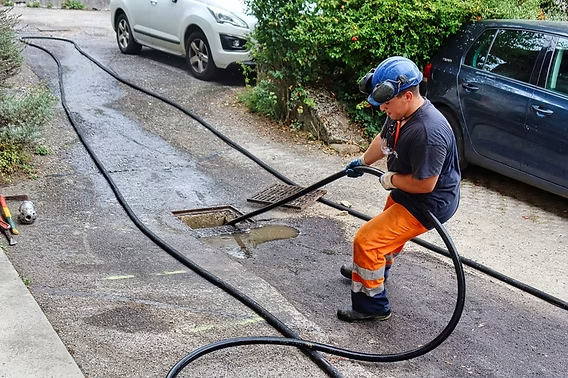

Blocked drains can cause significant problems in residential, commercial, and industrial plumbing systems. Grease, soap residue, food particles, mineral deposits, and other debris gradually accumulate inside pipes, restricting wastewater movement. If these obstructions are not addressed, they can lead to slow drainage, unpleasant odors, recurring backups, and potential pipe damage. One effective method for dealing with many types of buildup is hydro jetting, which uses high-pressure water to clean the interior of drainage lines.
What Is a Hydro Jet Drain Cleaner?
A hydro jet drain cleaner is a specialized machine that uses pressurized water to remove debris and accumulated deposits from pipes. The system typically includes a high-pressure pump, water supply, durable hose, and a specially designed nozzle.
During operation, water travels through the hose and exits through the nozzle in controlled streams. Depending on the nozzle design, these streams can loosen deposits, break apart certain obstructions, and help move waste through the drainage system.
For plumbing professionals and maintenance teams, choosing a suitable Hydro Jet Drain Cleaner can make it easier to handle different drainage conditions. The machine’s pressure, flow rate, hose capacity, and nozzle compatibility should all match the intended application.
How Hydro Jetting Removes Pipe Blockages
Hydro jetting works by directing high-pressure water into a blocked or partially obstructed pipe. The cleaning process generally involves several stages.
1. Inspecting the Drainage Line
Before cleaning begins, a technician assesses the blockage and the condition of the pipe. A drain inspection camera may be used to identify the obstruction, locate damaged sections, and determine whether hydro jetting is appropriate.
This step is particularly important for older pipes or systems with suspected cracks, loose joints, or structural deterioration.
2. Positioning the Jetting Hose
The technician introduces the specialized hose through an appropriate access point, such as a cleanout. The nozzle is selected according to the pipe dimensions and the type of buildup that needs to be removed.
3. Applying Controlled Water Pressure
Once the equipment is positioned, the pump delivers water through the hose. The nozzle directs the water against accumulated material and along the pipe interior.
Rear-facing jets can help move the nozzle forward and carry loosened debris back toward the access point, while other spray patterns are designed for particular cleaning tasks.
4. Flushing Away Debris
As grease, sludge, and other deposits loosen, water helps carry the material through the drainage system. The technician monitors the process to ensure that the obstruction is being cleared and wastewater can move more freely.
5. Checking the Cleaning Results
After jetting, the technician may inspect the pipe again or test drainage performance. This helps confirm whether the blockage has been removed and whether additional cleaning or repair work is needed.
Types of Blockages a Hydro Jet Drain Cleaner Can Address
Hydro jetting is useful for many common drainage problems, especially those involving accumulated material along pipe walls.
Grease and Fat Deposits
Cooking oils and fats can solidify as they cool, creating sticky layers inside kitchen drainage lines. These deposits gradually narrow the pipe and trap other waste. High-pressure water can help loosen and remove grease buildup.
Soap and Organic Residue
Bathroom drains often collect soap residue, hair, and organic material. These substances can combine into stubborn deposits that restrict wastewater movement. Hydro jetting can help clear suitable pipe sections after larger obstructions have been assessed.
Sludge and Sediment
Drainage networks may accumulate mud, sand, silt, and organic sludge. These materials can settle inside pipes and reduce their available capacity. Appropriate water jetting equipment helps dislodge and flush away many such deposits.
Mineral Scale
In areas with hard water, mineral deposits can develop on pipe surfaces over time. Depending on the thickness of the scale and the pipe material, specialized jetting equipment may help remove some buildup.
Certain Root Intrusions
Tree roots can enter sewer lines through cracks and loose joints. Specialized cutting nozzles may help remove some root growth, but the damaged entry point usually requires further assessment and repair to prevent recurrence.
Key Benefits of Hydro Jet Drain Cleaning
Hydro jetting offers several advantages when the method is suitable for the drainage system.
Thorough Cleaning of Pipe Interiors
Unlike methods that simply create a narrow opening through a blockage, hydro jetting can clean deposits along a larger portion of the pipe’s interior surface. This helps remove material that might otherwise contribute to another obstruction.
Effective Removal of Different Deposits
With suitable pressure settings and nozzle configurations, water jetting can address grease, sludge, sediment, and other common forms of buildup. This versatility makes it useful for a wide range of plumbing maintenance applications.
Reduced Chemical Dependence
Hydro jetting relies primarily on water rather than chemical drain cleaners. It can therefore provide a practical cleaning alternative for many suitable applications, although wastewater and removed debris must still be managed responsibly.
Support for Preventive Maintenance
Regular inspection and cleaning can help identify and remove deposits before they develop into severe blockages. This is particularly valuable in commercial properties and drainage systems with high daily usage.
Less Disruptive Than Some Traditional Methods
When a blockage is accessible through an existing cleanout, hydro jetting may clear it without extensive dismantling or excavation. However, structural pipe damage still requires an appropriate repair solution.
Where Hydro Jet Drain Cleaners Are Used
Hydro jetting equipment is used in various settings where pipes require thorough cleaning.
- Residential properties: Clearing suitable kitchen, bathroom, and household sewer lines.
- Restaurants and commercial kitchens: Removing grease and food-related deposits from drainage pipes.
- Hotels and office buildings: Maintaining drainage systems that experience frequent wastewater use.
- Industrial facilities: Cleaning suitable pipes affected by sludge, sediment, or process-related residue.
- Municipal drainage systems: Supporting maintenance of public sewer lines and larger wastewater networks.
- Property maintenance services: Addressing recurring blockages and performing scheduled drainage cleaning.
The appropriate machine and operating method depend on pipe dimensions, material, accessibility, and the nature of the obstruction.
Factors to Consider When Choosing a Hydro Jetting Machine
Selecting the right machine helps ensure that cleaning work is effective and that the equipment is appropriate for the intended application.
Water Pressure and Flow Rate
Pressure helps loosen deposits, while water flow helps transport the dislodged material through the pipe. Both specifications should be evaluated rather than relying on pressure alone.
Pump Quality
The pump is a central component of a hydro jetting system. Professional users should consider its construction, operating capacity, service requirements, and suitability for regular use.
Hose Length and Durability
The hose should provide enough reach for the drainage lines being serviced and withstand the machine’s operating conditions. Strong, compatible connections are equally important.
Nozzle Selection
Different nozzle designs produce different water patterns. Having suitable options for grease, sediment, and other deposits allows technicians to adapt the cleaning method to the job.
Portability and Maintenance
Compact equipment may be easier to transport between residential and commercial sites, while larger machines may be better suited to demanding applications. Buyers should also consider servicing access and replacement-part availability.
Safety Precautions During Hydro Jetting
High-pressure water can cause serious injuries if equipment is handled incorrectly. Professional training and careful operating procedures are essential.
Technicians should:
- Wear appropriate protective clothing, gloves, and eye protection.
- Inspect hoses, fittings, and connections before starting the machine.
- Follow the manufacturer’s pressure and operating guidelines.
- Keep people clear of the hose outlet and cleaning area.
- Never direct high-pressure water toward people or animals.
- Confirm that the pipe material and condition are suitable for jetting.
- Use proper procedures for handling contaminated wastewater.
Hydro jetting should not be used indiscriminately on damaged, fragile, or deteriorated pipes. A professional inspection helps determine whether another cleaning method or a repair is more appropriate.
Conclusion
A hydro jet drain cleaner restores proper water flow by using controlled high-pressure water to loosen and remove accumulated material inside blocked pipes. It can be effective against grease, sludge, sediment, and various other deposits while helping clean a wider section of the pipe interior.
Successful results depend on selecting suitable equipment, inspecting the drainage system, and using the correct pressure and nozzle configuration. When performed by trained technicians as part of a regular maintenance plan, hydro jetting can help reduce recurring blockages and support reliable plumbing and wastewater systems.