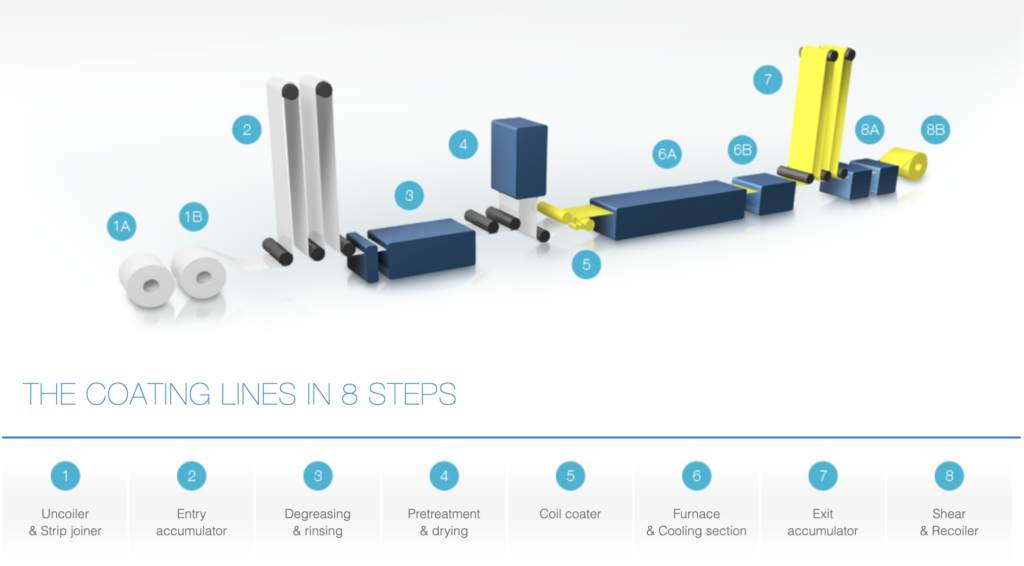

Energy consumption is one of the most significant operational costs in modern industrial coating facilities. As manufacturers face increasing pressure to reduce emissions and improve sustainability, energy efficiency has become a key focus in coil coating production. Optimizing energy use not only lowers costs but also improves overall system performance and environmental compliance.
In advanced manufacturing environments, the aluminum coil coating line is designed with integrated energy-saving technologies that reduce power consumption across heating, ventilation, and mechanical operations. These improvements allow facilities to maintain high production output while minimizing energy waste and improving long-term operational efficiency.
Table of Contents
ToggleImportance of Energy Efficiency in Coil Coating
Coil coating processes involve multiple energy-intensive stages, particularly in drying and curing ovens. Without proper optimization, these systems can consume large amounts of fuel or electricity, significantly increasing production costs.
Energy efficiency is important because it helps:
- Reduce operational expenses
- Lower carbon emissions
- Improve equipment lifespan
- Enhance production stability
- Support environmental regulations
Efficient systems also contribute to more predictable production costs, which is essential for large-scale manufacturing operations.
Heat Recovery Systems in Curing Ovens
One of the most effective energy-saving strategies in coil coating facilities is heat recovery. Curing ovens generate large amounts of hot exhaust air, which can be reused instead of being released into the environment.
Heat recovery systems capture this waste heat and redirect it to preheat incoming air or support other thermal processes within the line. This significantly reduces the amount of fresh energy required to maintain operating temperatures.
Benefits of heat recovery include:
- Reduced fuel consumption
- Lower operating costs
- Improved thermal efficiency
- Decreased environmental impact
This technology is especially valuable in continuous production lines where ovens operate for extended periods.
High-Efficiency Oven Design
Modern coil coating lines use advanced oven designs that maximize heat retention and minimize energy loss. Improved insulation materials and optimized airflow systems help maintain stable temperatures with less energy input.
Key design features include:
- Multi-zone heating control
- High-performance insulation panels
- Optimized air circulation systems
- Reduced heat leakage structures
These improvements ensure that energy is used more effectively during the curing and drying stages, which are typically the most energy-demanding parts of the process.
Variable Speed Drives for Motors and Conveyors
Electric motors used in coil coating lines consume a significant amount of energy, especially in continuous production systems. Variable Speed Drives (VSDs) help reduce energy usage by adjusting motor speed based on real-time production needs.
Instead of running at full power constantly, motors operate only at the required speed for each stage of the process.
This approach provides:
- Lower electricity consumption
- Reduced mechanical wear
- Improved process flexibility
- Enhanced system control
VSDs are commonly applied to conveyor systems, coating rollers, and ventilation fans.
Efficient Chemical Heating and Circulation Systems
Chemical pretreatment and cleaning stages also require energy for heating solutions and maintaining optimal operating temperatures. Energy-efficient systems are designed to minimize heat loss and optimize chemical usage.
Improvements in this area include:
- Insulated chemical tanks
- Controlled heating loops
- Automated chemical dosing systems
- Heat recycling from process water
These upgrades ensure that energy is not wasted while maintaining effective surface preparation conditions.
Smart Energy Monitoring Systems
Modern facilities increasingly rely on digital monitoring systems to track and analyze energy consumption across the entire production line. These systems provide real-time insights into where and how energy is being used.
Smart monitoring systems can track:
- Oven energy consumption
- Motor and drive usage
- Chemical heating requirements
- Overall production efficiency
By analyzing this data, manufacturers can identify inefficiencies and implement targeted improvements to reduce energy waste.
LED Lighting and Auxiliary Energy Savings
While major energy savings come from production equipment, auxiliary systems also contribute to overall consumption. Replacing traditional lighting with LED systems is a simple but effective strategy for reducing facility-wide energy use.
Additional improvements may include:
- Energy-efficient air compressors
- Optimized ventilation systems
- Automated shutdown of idle equipment
These small adjustments collectively contribute to significant long-term savings.
Insulation and Heat Retention Improvements
Proper insulation is essential for maintaining energy efficiency in coil coating facilities. Poor insulation leads to heat loss, forcing systems to consume more energy to maintain required temperatures.
Upgraded insulation materials in ovens, pipes, and tanks help reduce energy waste and improve process stability. This also enhances safety by reducing external surface temperatures of equipment.
Process Optimization and Production Scheduling
Energy efficiency is not only about equipment but also about how production is managed. Optimizing production schedules can reduce unnecessary machine start-ups and shutdowns, which are energy-intensive processes.
Efficient scheduling strategies include:
- Continuous production runs
- Minimizing idle time
- Grouping similar coating processes
- Reducing frequent temperature changes
These strategies help maintain stable operating conditions and reduce peak energy demand.
Conclusion
Energy efficiency has become a central priority in modern coil coating facilities due to rising costs and environmental concerns. Through advanced technologies such as heat recovery systems, variable speed drives, smart monitoring, and improved insulation, manufacturers can significantly reduce energy consumption while maintaining high production quality.
A modern aluminum coil coating line integrates these strategies to achieve a balance between performance, sustainability, and cost efficiency. As technology continues to evolve, energy optimization will remain a key factor in improving the competitiveness and environmental responsibility of coil coating operations.