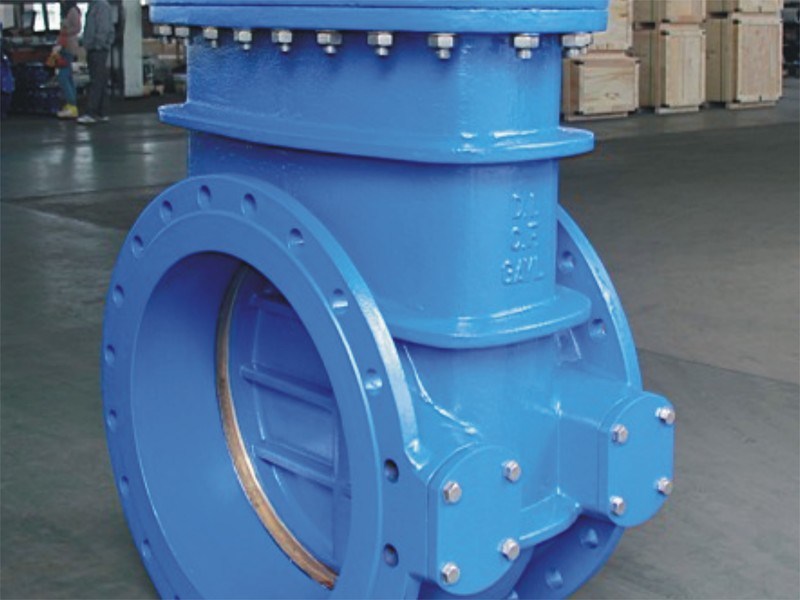

In modern pipeline systems, controlling the flow of liquids efficiently is essential for industrial, municipal, and residential applications. A cast iron gate valve provides a robust solution, allowing full shut-off when needed and minimal resistance when open. Its durable construction and reliable sealing capabilities make it ideal for water distribution, wastewater management, and various industrial piping systems, ensuring long-lasting performance and safety.
For industries and utilities seeking a dependable flow control solution, a cast iron gate valve stands out. With its sturdy cast iron body, precision-machined gate, and tight sealing mechanism, it ensures consistent operation under high-pressure conditions while reducing maintenance requirements.
How a Cast Iron Gate Valve Functions
A cast iron gate valve operates by moving a gate, or wedge, vertically within the valve body to control fluid flow. When fully open, the gate is completely lifted out of the flow path, providing an unobstructed passage for liquids. When closed, the wedge presses tightly against the seat rings to prevent leaks and maintain system integrity.
Gate valves are primarily designed for on/off applications rather than flow regulation. Unlike globe or ball valves, they are not suited for throttling. This makes them ideal for pipelines that require full flow or complete shut-off.
Key Components of a Cast Iron Gate Valve
Understanding its structure highlights why the valve is so effective:
-
Valve Body: Made of cast iron, it provides durability and resistance to pressure and impact.
-
Gate/Wedge: Moves up and down to control the flow.
-
Stem: Connects the handwheel to the gate and transmits motion.
-
Handwheel: Used to manually operate the valve.
-
Bonnet: Protects internal components and adds structural integrity.
-
Seat Rings: Provide a tight seal when the valve is closed, preventing leakage.
The combination of these components ensures smooth, reliable, and long-term performance in demanding applications.
Advantages of Using Cast Iron Gate Valves
Robust Construction
Cast iron offers exceptional strength, enabling the valve to withstand heavy usage and high pressures over extended periods.
Cost-Effective
Compared to stainless steel or bronze alternatives, cast iron gate valves provide a budget-friendly option without sacrificing reliability, making them ideal for large-scale projects.
Minimal Flow Resistance
When fully open, the gate clears the flow path entirely, reducing energy loss and enhancing system efficiency.
Reliable Shut-Off
The wedge design ensures a secure seal, preventing leakage even under high pressure.
Longevity
With proper installation and maintenance, cast iron gate valves can remain operational for decades, delivering consistent performance.
Common Applications of Cast Iron Gate Valves
Municipal Water Systems
These valves are widely used in city and town water distribution networks, handling large volumes of water efficiently while maintaining reliable shut-off capability.
Wastewater and Sewage Systems
Gate valves allow specific sections of pipelines to be isolated for maintenance or emergencies without affecting the entire system.
Industrial Applications
Industries rely on gate valves to control chemicals, water, and other fluids in processing systems, ensuring precise flow management and safety.
Fire Protection Systems
Gate valves are commonly used in hydrants and sprinkler systems, providing dependable shut-off when needed during emergencies.
Types of Cast Iron Gate Valves
Rising Stem Gate Valve
The stem rises as the valve opens, providing a clear visual indication of its position. This type is common in industrial applications where monitoring is essential.
Non-Rising Stem Gate Valve
The stem remains inside the valve body while operating, making it suitable for installations with limited vertical space, such as underground pipelines.
Wedge Gate Valve
The wedge-shaped gate ensures effective sealing by pressing tightly against the seat rings, minimizing leakage and improving performance.
Installation and Maintenance Guidelines
Proper installation and routine maintenance are crucial for optimal valve performance:
-
Correct Installation: Align the valve with the pipeline to prevent undue stress and ensure smooth operation.
-
Regular Inspection: Check for corrosion, wear, and leakage to address potential issues promptly.
-
Lubrication: Keep moving parts like the stem well-lubricated to maintain smooth operation.
-
Cleaning: Ensure the valve and pipeline are free from debris to avoid interference with gate movement.
Modern Enhancements in Cast Iron Gate Valves
Advances in valve technology have further improved performance and reliability:
-
Protective Coatings: Epoxy and other coatings enhance corrosion resistance and extend service life.
-
Advanced Seat Materials: Modern materials improve sealing performance and reduce maintenance needs.
-
Precision Machining: High-accuracy manufacturing ensures smooth operation, tight tolerances, and consistent performance.
Conclusion
A cast iron gate valve is a dependable, cost-effective, and durable solution for pipeline flow control. Its low flow resistance, reliable shut-off, and long service life make it ideal for municipal water systems, industrial pipelines, and fire protection networks. Selecting a quality cast iron gate valve and following proper installation and maintenance practices ensures safety, efficiency, and reliability in any pipeline application.