
Table of Contents
ToggleIntroduction
The construction industry is undergoing rapid transformation driven by digital innovation, automation, and advanced engineering systems. These changes are especially visible in foundation engineering, where efficiency, precision, and safety are becoming increasingly important.
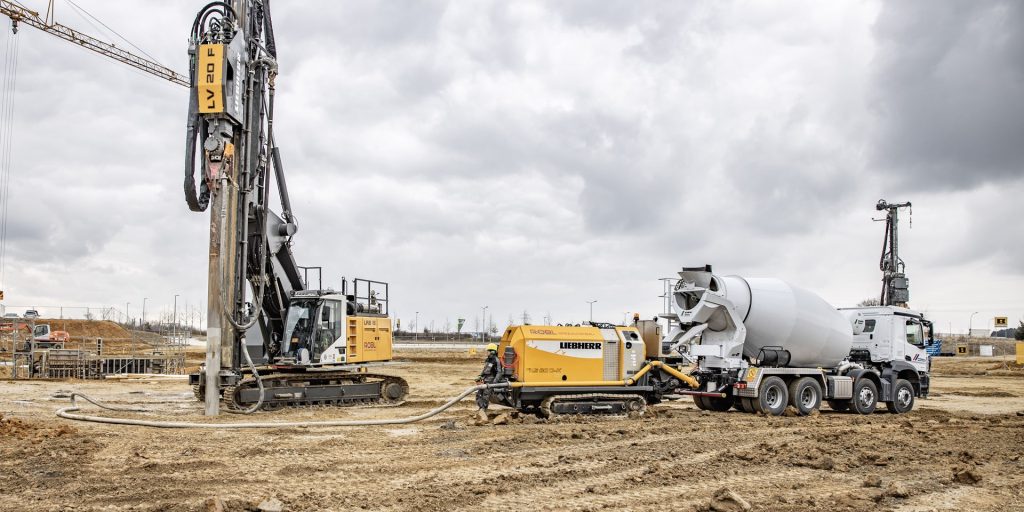
Modern infrastructure projects demand smarter equipment that can adapt to complex soil conditions and deliver consistent performance. In this context, the evolution of the pile drilling machine is closely tied to automation, data integration, and intelligent control systems that are reshaping how deep foundations are constructed.
Growing Role of Automation in Foundation Work
Automation is gradually becoming a core feature in construction machinery, including drilling systems used for deep foundations. Instead of relying entirely on manual control, machines are now being designed with semi-automatic and fully automated capabilities.
These systems help reduce human error, improve accuracy, and speed up project timelines. Automated drilling processes also ensure consistent borehole quality, which is essential for structural stability in large-scale infrastructure.
Smart Control Systems and Digital Monitoring
One of the most significant trends in modern drilling technology is the integration of smart control systems. These systems use sensors, real-time data, and digital interfaces to improve operational precision.
Key advancements include:
- Real-time monitoring of drilling depth and torque
- Automated adjustment of drilling speed based on soil conditions
- Digital dashboards for operator feedback and control
- Fault detection systems for early warning of mechanical issues
These innovations allow operators to manage complex drilling operations with greater confidence and accuracy.
Integration of GPS and Positioning Technology
GPS and advanced positioning systems are increasingly being integrated into drilling equipment to improve site accuracy and alignment. This is especially important for large infrastructure projects where precision is critical.
With positioning technology, machines can:
- Ensure exact borehole placement according to design plans
- Reduce human error in layout marking
- Improve coordination across multiple machines on large sites
This level of accuracy enhances both efficiency and structural reliability.
Electric and Hybrid Power Systems
Another emerging trend is the shift toward electric and hybrid-powered drilling systems. Traditional diesel-powered machines are being gradually replaced or supplemented with more energy-efficient alternatives.
Benefits of these systems include:
- Reduced fuel consumption and operating costs
- Lower emissions and environmental impact
- Quieter operation in urban construction areas
- Improved energy efficiency in long-term projects
This transition aligns with global sustainability goals in the construction sector.
AI and Data-Driven Decision Making
Artificial intelligence (AI) and machine learning are beginning to influence how drilling operations are planned and executed. These technologies analyze soil data, machine performance, and environmental conditions to optimize drilling strategies.
Potential applications include:
- Predicting soil behavior before drilling begins
- Optimizing drilling speed and pressure automatically
- Reducing wear on machine components through smart adjustments
- Improving maintenance scheduling through predictive analytics
These advancements are expected to significantly improve productivity and reduce operational risks.
Enhanced Safety Through Automation
Safety remains a top priority in construction, and automation plays a major role in reducing on-site hazards. Modern systems are designed to minimize direct human interaction with high-risk operations.
Safety improvements include:
- Remote-controlled drilling operations
- Automatic shutdown systems in case of malfunction
- Real-time hazard detection using sensors
- Reduced exposure of workers to heavy machinery zones
These features contribute to safer and more controlled construction environments.
Lightweight and Modular Machine Designs
Future drilling machines are also expected to become more compact, modular, and easier to transport. This is particularly useful for urban construction sites with limited space.
Key design trends include:
- Modular components for easier assembly and maintenance
- Lightweight materials for improved mobility
- Compact rigs suitable for restricted environments
- Faster setup and dismantling processes
These improvements help increase flexibility and reduce project downtime.
Sustainable Construction Practices
Sustainability is becoming a central focus in construction technology. Manufacturers are developing machines that consume less energy and produce fewer emissions while maintaining high performance.
Sustainable innovations include:
- Eco-friendly hydraulic fluids
- Energy-efficient power systems
- Reduced noise pollution during operation
- Longer machine lifespan with recyclable components
These changes support greener construction practices worldwide.
Conclusion
The future of foundation engineering is being shaped by automation, digital integration, and sustainable innovation. As technology continues to evolve, drilling equipment will become smarter, safer, and more efficient.
The modern pile drilling machine is no longer just a mechanical tool—it is becoming an intelligent system capable of adapting to complex site conditions and improving construction outcomes. These advancements will play a crucial role in meeting the growing global demand for resilient and high-quality infrastructure.