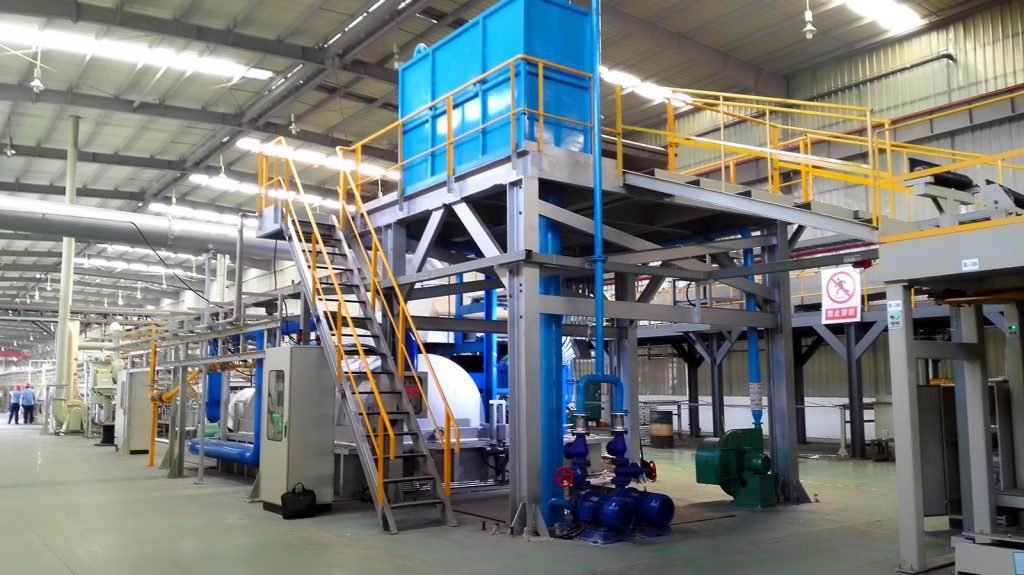

Industrial galvanizing is an energy-intensive process that relies on high-temperature furnaces, chemical treatments, and continuous steel handling systems. Because of this, energy consumption becomes a key factor affecting production cost and environmental impact. Improving efficiency is therefore an important goal for manufacturers.
A well-designed hot dip galvanizing line can significantly reduce energy waste through better heat management, process control, and equipment optimization. Careful planning at each stage of production helps lower fuel use while maintaining coating quality.
Table of Contents
ToggleImportance of Energy Management in Galvanizing
Energy is mainly consumed in heating steel, maintaining molten zinc temperature, and operating auxiliary systems such as ventilation and transport equipment. If these systems are not properly managed, unnecessary losses can occur.
Efficient energy use reduces operating costs and also improves production stability. It also helps minimize environmental impact by lowering fuel consumption and emissions.
Furnace Heat Optimization
The furnace is one of the largest energy consumers in the galvanizing process. It is responsible for heating steel strips or components before they enter the zinc bath.
To improve efficiency:
- Heat distribution must be kept uniform
- Insulation materials should be maintained in good condition
- Waste heat should be reused where possible
- Combustion systems must be regularly adjusted
Proper furnace management ensures that energy is not lost through uneven heating or heat leakage.
Recovery of Waste Heat
A large amount of heat is released from furnaces and cooling zones during operation. Instead of allowing this heat to escape, recovery systems can capture and reuse it.
Common methods include:
- Preheating incoming steel using exhaust heat
- Using recovered heat for drying processes
- Redirecting warm air for auxiliary heating needs
This reduces the need for additional fuel input and improves overall thermal efficiency.
Efficient Zinc Bath Temperature Control
Maintaining the zinc bath at the correct temperature is essential for coating quality and energy control. Excess heating not only wastes energy but can also damage coating structure.
Energy-saving practices include:
- Continuous temperature monitoring
- Automatic control of heating systems
- Insulated bath covers to reduce heat loss
- Regular removal of dross to maintain thermal balance
Stable temperature control reduces fluctuations that increase energy demand.
Improved Surface Preparation Efficiency
Surface preparation stages such as cleaning and pickling also consume energy, especially in heating and chemical circulation systems.
Efficiency can be improved by:
- Reusing rinse water where possible
- Optimizing chemical concentration levels
- Reducing unnecessary processing time
- Maintaining clean equipment to avoid repeated cycles
Efficient preparation reduces the need for reprocessing and saves both energy and materials.
Mechanical System Optimization
Mechanical systems such as rollers, conveyors, and lifting equipment also contribute to energy consumption. Poor maintenance or misalignment can increase resistance and power usage.
Key improvements include:
- Regular lubrication of moving parts
- Proper alignment of transport systems
- Use of variable speed control where suitable
- Routine inspection of motors and drives
These steps help reduce unnecessary mechanical load during operation.
Insulation and Heat Retention Measures
Heat loss is a major source of inefficiency in galvanizing operations. Proper insulation helps maintain stable temperatures and reduces fuel requirements.
Important insulation practices include:
- High-quality furnace lining materials
- Insulated covers for molten zinc tanks
- Sealing of heat leakage points
- Regular inspection of insulation layers
Good insulation ensures that generated heat is used effectively rather than lost to the surroundings.
Process Scheduling and Production Planning
Energy efficiency is also influenced by how production is scheduled. Continuous operation is generally more efficient than frequent start-stop cycles.
Better planning includes:
- Maintaining steady production flow
- Avoiding unnecessary shutdowns
- Grouping similar processing tasks
- Reducing idle machine time
Stable operation reduces repeated heating and cooling cycles, which consume additional energy.
Monitoring and Control Systems
Accurate monitoring helps identify areas where energy is being wasted. Operators can adjust settings based on real-time data to improve performance.
Important monitoring points include:
- Furnace temperature levels
- Zinc bath energy usage
- Fuel consumption rates
- Equipment load conditions
Careful observation allows gradual improvements in overall system efficiency.
Conclusion
Energy efficiency in galvanizing operations depends on careful control of heat, machinery, and production flow. Each stage of the process offers opportunities to reduce waste and improve performance.
A properly managed hot dip galvanizing line can achieve significant energy savings through heat recovery, insulation, and optimized operation. These improvements not only lower costs but also support more sustainable industrial production practices over time.