
Choosing a diamond ring can be an exciting experience, especially for someone buying one for the first time. However, traditional diamonds are not the only option available today. Lab-grown diamonds have become increasingly popular because they offer the same essential physical, chemical, and optical properties as natural diamonds while being created through advanced technology in controlled laboratory environments.
For buyers exploring modern jewelry options, understanding what makes a Lab Diamond Ring different from other types of diamond jewelry is an important first step. From its creation process and appearance to its quality, pricing, and long-term care, several factors can help beginners make a more informed purchasing decision.
What Is a Lab Diamond Ring?
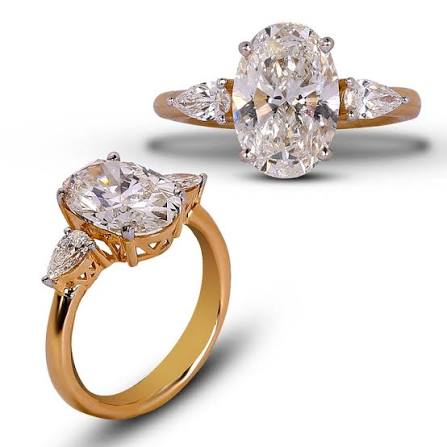
A lab diamond ring is a piece of jewelry featuring a diamond that has been grown in a laboratory rather than formed naturally beneath the Earth’s surface. These diamonds are produced using advanced technological processes that recreate the conditions required for diamond formation.
Unlike diamond simulants such as cubic zirconia or moissanite, lab-grown diamonds are real diamonds. They have the same carbon crystal structure, hardness, brilliance, and general optical characteristics as their natural counterparts.
Lab-grown diamonds are available in various shapes, sizes, colors, and clarity grades. They can be used in engagement rings, wedding bands, anniversary jewelry, and other decorative pieces.
How Are Lab-Grown Diamonds Made?
Lab-grown diamonds are created through specialized manufacturing techniques that replicate the natural diamond formation process. Two primary methods are commonly used in the jewelry industry.
1. High Pressure High Temperature (HPHT)
The HPHT method recreates the high-pressure and high-temperature conditions associated with natural diamond formation. A small diamond seed is placed inside specialized equipment along with a carbon source.
The equipment applies intense pressure and heat, allowing carbon atoms to crystallize around the seed and gradually form a diamond.
This technique has been used for decades and remains an important method for producing laboratory-grown diamonds.
2. Chemical Vapor Deposition (CVD)
Chemical Vapor Deposition is another widely used technique. In this process, a thin diamond seed is placed inside a controlled chamber containing carbon-rich gases.
The gases are activated, allowing carbon atoms to separate and gradually deposit onto the diamond seed. Layer by layer, the material develops into a larger diamond crystal.
Both HPHT and CVD can produce high-quality diamonds suitable for jewelry applications. The final quality depends on factors such as growth conditions, processing, and subsequent treatments.
Lab-Grown Diamonds vs. Natural Diamonds
One of the most common questions beginners ask is whether lab-grown diamonds are different from natural diamonds.
Although their origins differ, their essential material properties are nearly identical. Both consist of crystallized carbon and offer the hardness and brilliance associated with diamond jewelry.
The main differences relate to their formation, availability, pricing, and market value.
| Feature | Lab-Grown Diamonds | Natural Diamonds |
|---|---|---|
| Origin | Created in laboratories | Formed naturally underground |
| Composition | Crystallized carbon | Crystallized carbon |
| Hardness | 10 on the Mohs scale | 10 on the Mohs scale |
| Appearance | Available in various qualities | Available in various qualities |
| Price | Generally more affordable | Generally more expensive |
| Formation time | Weeks or months, depending on the process | Millions to billions of years |
| Identification | Requires specialized testing | Requires specialized testing |
Both types can produce beautiful jewelry. The right choice depends on personal preferences, budget, and the importance a buyer places on natural origin.
Understanding the 4Cs of Lab Diamond Quality
Before purchasing a lab-grown diamond ring, beginners should understand the four main characteristics used to evaluate diamond quality. These are known as the 4Cs: cut, color, clarity, and carat weight.
Cut
Cut describes how well a diamond has been shaped and proportioned to interact with light. It has a significant influence on brilliance, sparkle, and overall visual appeal.
A well-cut diamond reflects light effectively, creating the bright appearance many buyers look for. Even a larger diamond may appear less attractive if its proportions and cut quality are poor.
Color
Diamond color grading measures how much color is visible in a traditionally colorless diamond. Many lab-grown diamonds fall within the same grading categories used for natural diamonds.
Color grades generally range from D, representing colorless diamonds, to Z, representing diamonds with noticeable yellow or brown tones.
Buyers should consider their preferred appearance and budget when selecting a color grade.
Clarity
Clarity refers to the presence of internal inclusions and external blemishes. These characteristics develop during the diamond growth process.
Diamonds with fewer visible imperfections generally receive higher clarity grades. However, some inclusions are difficult to notice without magnification and may not significantly affect a diamond’s appearance.
Carat Weight
Carat measures the weight of a diamond, not its physical dimensions. One carat equals 200 milligrams.
A higher carat weight generally indicates a larger diamond, although the actual appearance also depends on its shape, cut, and proportions.
For beginners, balancing all four characteristics is usually more practical than focusing on carat weight alone.
Popular Lab Diamond Ring Styles
Lab-grown diamonds can be incorporated into many traditional and contemporary jewelry designs. Understanding the available styles can help buyers identify a ring that matches their preferences.
Solitaire Rings
Solitaire rings feature a single central diamond, making them a classic choice for engagement jewelry. Their simple design allows the diamond to remain the main visual focus.
Halo Rings
Halo rings feature a central diamond surrounded by smaller accent stones. This arrangement creates additional sparkle and can make the center stone appear larger.
Three-Stone Rings
Three-stone designs contain a central diamond accompanied by two smaller stones. They are often associated with past, present, and future symbolism.
Pavé Rings
Pavé settings feature small diamonds placed closely together along the ring band. This design creates a continuous sparkling effect while maintaining an elegant appearance.
Minimalist Rings
Minimalist designs emphasize clean lines, subtle details, and simple settings. They are suitable for people who prefer understated jewelry that can be worn comfortably every day.
Choosing the Right Metal for Your Ring
The metal used in a ring setting influences its appearance, durability, and maintenance requirements. Lab-grown diamonds can be paired with several precious metals.
Platinum: Platinum is naturally white, durable, and resistant to corrosion. It is a popular choice for engagement rings and everyday jewelry.
White Gold: White gold offers a bright, silvery appearance. It is commonly finished with rhodium plating, which may require periodic renewal.
Yellow Gold: Yellow gold provides a warm, traditional appearance. It pairs well with both classic and contemporary diamond designs.
Rose Gold: Rose gold has a distinctive pinkish tone created by combining gold with copper. It offers a softer, modern aesthetic.
The best metal depends on personal style, lifestyle, budget, and the level of maintenance a buyer is comfortable with.
Are Lab-Grown Diamonds Durable?
Yes. Lab-grown diamonds have the same hardness as natural diamonds, scoring 10 on the Mohs hardness scale. This makes them highly resistant to scratching and suitable for everyday jewelry.
However, hardness does not mean a diamond is impossible to damage. Diamonds can still chip or fracture if struck at certain angles, particularly around sharp edges or vulnerable settings.
The ring’s overall durability also depends on the quality of its setting, the thickness of its band, and how securely the diamond is mounted.
Regular inspections can help identify loose stones or damaged prongs before they become serious problems.
How Much Does a Lab Diamond Ring Cost?
The price of a lab-grown diamond ring varies depending on several factors. These include the diamond’s carat weight, cut, color, clarity, shape, and the materials used in its setting.
Lab-grown diamonds are generally less expensive than comparable natural diamonds. This price difference allows buyers to explore larger stones or higher grading characteristics within a particular budget.
Other factors that influence the final cost include:
- Diamond shape: Certain cuts may have different production costs and market demand.
- Metal selection: Platinum settings generally cost more than many gold alternatives.
- Ring design: Detailed craftsmanship and additional accent diamonds can increase the price.
- Certification: Independent grading reports provide information about a diamond’s characteristics and may influence purchasing decisions.
- Customization: Personalized designs, engraving, and special settings can add to the overall cost.
Rather than choosing a ring based entirely on price, buyers should compare its specifications, craftsmanship, and documentation.
What to Check Before Buying a Lab Diamond Ring
First-time buyers can avoid unnecessary confusion by evaluating a few important details before making a purchase.
Check the Diamond Certification
Look for an independent grading report from a recognized gemological laboratory. Organizations such as the Gemological Institute of America (GIA) and the International Gemological Institute (IGI) provide diamond identification and grading services.
A grading report can help verify important characteristics, including carat weight, color, clarity, and cut information where applicable.
Examine the Ring Setting
The setting should securely hold the diamond while complementing its shape and size. Check the prongs, band construction, and overall finishing.
A well-designed setting improves both appearance and practical durability.
Compare Diamond Shapes
Round, oval, princess, emerald, pear, and cushion cuts are among the available choices. Each shape creates a different visual effect.
Comparing different shapes can help buyers find a design that suits their personal taste.
Review Return and Warranty Policies
Before purchasing, understand the seller’s return period, warranty coverage, resizing options, and repair services.
These policies are particularly important when buying an expensive piece of jewelry online.
How to Care for a Lab Diamond Ring
Proper maintenance helps preserve the ring’s appearance and keeps its setting in good condition.
Some simple care practices include:
- Clean the ring regularly using warm water, mild soap, and a soft brush.
- Avoid exposing the ring to harsh chemicals or abrasive cleaning products.
- Remove it during activities that may cause strong impacts or physical damage.
- Store it separately from other jewelry to prevent scratches to the metal and damage to other pieces.
- Have the setting inspected periodically by a professional jeweler.
- Make sure the diamond remains securely positioned within its setting.
Although lab-grown diamonds are highly durable, regular cleaning and careful handling help maintain their brilliance over time.
Are Lab-Grown Diamonds an Environmentally Friendly Choice?
Lab-grown diamonds are sometimes considered an alternative to mined diamonds because their production does not require traditional diamond mining. However, their environmental impact depends on how they are manufactured.
Electricity consumption is an important consideration, particularly because diamond-growing equipment requires substantial energy. The environmental footprint can vary according to the production method, energy source, manufacturing efficiency, and transportation requirements.
Natural diamond mining also has environmental considerations, including land disturbance, water use, and energy consumption.
Therefore, buyers interested in sustainability should look beyond the product label and consider transparent information about manufacturing practices, energy sources, and supply chains.
Are Lab Diamond Rings Suitable for Engagement Rings?
Lab-grown diamonds are widely used in engagement rings because they offer the same essential diamond properties as natural stones. Their availability in different shapes, sizes, and quality grades also provides considerable design flexibility.
Couples can choose traditional solitaire settings, modern halo designs, or customized rings according to their preferences.
For buyers working within a specific budget, lab-grown diamonds may provide an opportunity to prioritize diamond size, quality, or setting details without spending as much as they might on a comparable natural diamond.
Ultimately, the suitability of a ring depends on personal values, design preferences, and the meaning attached to the jewelry.
Final Thoughts
Understanding lab-grown diamonds makes it easier for beginners to navigate the modern diamond jewelry market. These diamonds are real diamonds with the same fundamental chemical composition, crystal structure, and hardness as natural diamonds, but they are produced using controlled laboratory processes.
Before purchasing a ring, buyers should consider the 4Cs, diamond shape, metal selection, certification, setting quality, and maintenance requirements. It is also important to understand the differences in origin, pricing, and environmental considerations.
With careful research and attention to quality, a lab-grown diamond ring can be a beautiful and meaningful piece of jewelry for engagements, celebrations, and everyday wear.