
Introduction
Spinosaurus is one of the most recognizable prehistoric predators, known for its elongated snout, conical teeth, and distinctive sail-shaped structure along its back. These features make it a popular choice for dinosaur theme parks, museums, outdoor exhibitions, and family entertainment attractions.
Modern animatronic technology brings this prehistoric animal to life through mechanical movement, realistic sculpting, and synchronized sound effects. A well-designed Animatronic Dinosaur Spinosaurus can serve as an impressive centerpiece while helping visitors explore prehistoric wildlife through engaging visual experiences.
Understanding the main features, movement options, and practical applications of these models can help attraction operators choose a design that suits their space, audience, and budget.
What Is an Animatronic Spinosaurus?
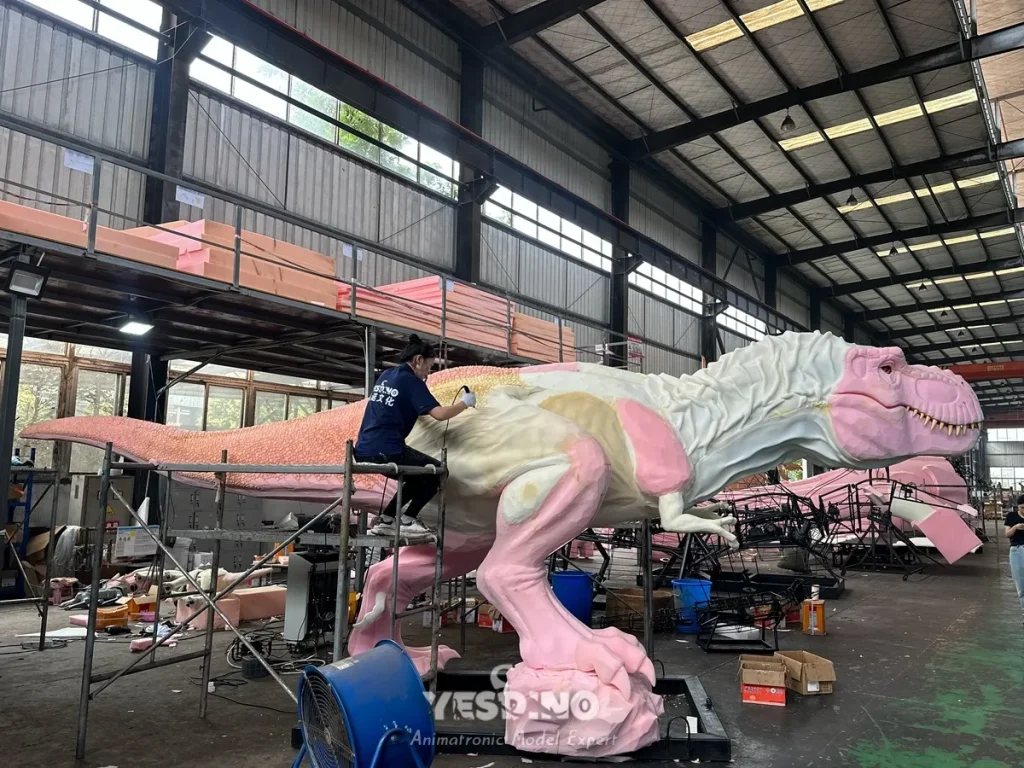
An animatronic Spinosaurus is a mechanically animated dinosaur model designed to reproduce selected movements and behaviors. Unlike a static sculpture, it combines a sculpted exterior with an internal structure, motors, control systems, and, in many cases, an integrated sound system.
Depending on the design, the model may move its head, open its jaws, swing its tail, or simulate breathing. These actions create the impression of a living dinosaur without requiring the complex movements of a fully mobile robotic system.
Animatronic Spinosaurus models are available in different sizes and configurations. Some are designed for compact indoor displays, while others are built as large outdoor attractions intended to be seen from a considerable distance.
Key Features of Animatronic Spinosaurus Models
1. Realistic Anatomical Design
The visual appearance of a Spinosaurus is central to its appeal. A quality model should capture its characteristic elongated skull, narrow snout, conical teeth, muscular body, and prominent dorsal sail.
Attention to proportions helps distinguish the Spinosaurus from other large theropods. Detailed sculpting around the mouth, eyes, limbs, and tail can further improve its overall appearance.
Manufacturers may also use textured surfaces and layered paint finishes to imitate scales, skin folds, and natural color variation. These details are particularly important for visitors viewing the model at close range.
2. Durable Exterior Materials
The exterior materials influence the model’s appearance, flexibility, and resistance to environmental conditions. Depending on the product, manufacturers may use sculpted foam, flexible coatings, fiberglass components, or other materials suited to the design.
Outdoor models require particular attention to moisture protection, ultraviolet exposure, temperature changes, and surface wear. Buyers should ask manufacturers which materials and protective finishes are appropriate for their intended installation environment.
Regular cleaning and inspections can help preserve the exterior and identify damage before it becomes more difficult to repair.
3. Internal Mechanical Structure
Behind the sculpted exterior is a framework that supports the model and enables its programmed movements. This structure may incorporate metal components, motors, joints, wiring, sensors, and electronic controllers.
The design must accommodate the dinosaur’s dimensions, weight, and intended range of motion. Larger models may require reinforced structures and secure foundations, particularly when installed outdoors.
When evaluating a product, ask about its mechanical specifications, maintenance access, and recommended operating conditions. These details help operators understand how the model is expected to perform over time.
4. Integrated Sound Effects
Sound effects can make an animatronic Spinosaurus more engaging by adding an auditory dimension to its movements. Depending on the model, audio may include roars, growls, breathing effects, or other creatively designed dinosaur sounds.
Synchronizing a roar with jaw movement can make a display feel more coordinated. Background audio may also support a prehistoric atmosphere in themed environments.
Because the exact vocalizations of extinct dinosaurs are unknown, these effects should be understood as creative interpretations rather than confirmed recordings of Spinosaurus sounds.
Common Movements in Animatronic Spinosaurus Models
Movement capabilities vary by manufacturer and model. Some products offer a few basic actions, while more elaborate designs coordinate several moving components.
Head Movement
Head movement is one of the most noticeable features of an animatronic dinosaur. A model may turn its head from side to side, tilt it slightly, or raise and lower it during a programmed sequence.
These actions help direct visitors’ attention and can create the impression that the dinosaur is observing its surroundings. Smooth movement is especially important when the model is installed near viewing areas.
Jaw Opening and Closing
A moving jaw can make the Spinosaurus appear to roar, breathe, or respond to nearby activity. When synchronized with audio, this feature creates a more convincing visual sequence.
The jaw mechanism should operate consistently and remain within its designed movement range. Operators should also maintain appropriate visitor boundaries around moving components.
Neck and Body Movement
Some models include neck articulation or subtle body movements that simulate breathing. These functions can make the dinosaur appear less static, even when it remains in a fixed position.
The movement should complement the model’s proportions and overall design. Excessive or poorly coordinated motion can reduce realism rather than improve it.
Tail Movement
The long tail is a distinctive part of the Spinosaurus silhouette. Depending on the design, it may swing gently from side to side or move as part of a coordinated animation sequence.
Tail movement can increase the model’s visual impact, but it also requires adequate clearance. Installation teams should account for the complete movement range when planning nearby pathways, scenery, and viewing zones.
Sound-Synchronized Animations
Advanced configurations may coordinate head movement, jaw articulation, body motion, and sound effects within a single programmed sequence.
For example, the dinosaur may raise its head, open its mouth, produce a roar, and return to a resting position. These sequences are useful for scheduled demonstrations and themed storytelling.
Before purchasing, confirm which movements are included, whether their timing can be adjusted, and how the control system operates.
Applications of Animatronic Spinosaurus Models
1. Dinosaur Theme Parks
Theme parks use animatronic dinosaurs to create memorable attractions and immersive environments. A large Spinosaurus can become a focal point near an entrance, along a dinosaur trail, or within a prehistoric adventure zone.
Combining the model with artificial vegetation, rocks, water features, and appropriate lighting can help integrate it into the surrounding scenery.
Park operators should choose a size and movement range that suit the available space while ensuring that visitors can observe the attraction safely.
2. Museums and Science Centers
Museums can use animatronic Spinosaurus models to complement fossil displays, educational panels, and prehistoric life exhibitions.
The moving model can attract attention while helping educators introduce topics such as dinosaur anatomy, adaptations, habitats, and scientific research. Informational signage can distinguish established scientific knowledge from artistic interpretations of the animal’s appearance or behavior.
For indoor installations, operators should consider noise levels, floor loading, ceiling height, and the circulation of visitors around the display.
3. Outdoor Dinosaur Exhibitions
Outdoor exhibitions often feature large dinosaur models along walking trails or within landscaped environments. A Spinosaurus can provide a distinctive visual feature that encourages visitors to explore the surrounding area.
Weather resistance, structural stability, and maintenance access are especially important for these installations. Manufacturers should provide guidance on foundations, anchoring, protective coatings, and suitable operating conditions.
Regular inspections help ensure that the model remains in appropriate condition throughout its use.
4. Shopping Centers and Family Attractions
Shopping centers and family entertainment venues can use animatronic dinosaurs for seasonal events, holiday programs, and themed promotional activities.
A Spinosaurus display may attract families, create photo opportunities, and encourage visitors to spend more time in a designated activity area. Smaller models may be suitable for indoor spaces where a large outdoor-style installation would be impractical.
The display should be positioned carefully to avoid obstructing walkways, accessible routes, emergency exits, or nearby retail areas.
5. Educational and Interactive Programs
Animatronic Spinosaurus models can support educational activities by making prehistoric subjects more visually engaging. Schools, children’s museums, and educational events may use the model as part of presentations about dinosaur diversity and paleontology.
Depending on the equipment, the dinosaur may operate through a remote controller, a scheduled sequence, or a sensor-based activation system. The appropriate option depends on the venue, expected visitor numbers, and desired level of interaction.
Educational materials should explain the difference between the model’s programmed behavior and what scientists can confidently infer about the living animal.
Choosing the Right Spinosaurus Model
Selecting a suitable model requires balancing appearance, functionality, installation requirements, and cost.
Consider Size and Location
Measure the available space before selecting a model. Account for ceiling height, door access, transportation routes, foundation requirements, and the full range of moving components.
Large models can create a strong visual impact, but compact designs may be more appropriate for indoor exhibits and smaller venues.
Review Available Functions
Determine which movements and sound effects are essential for your attraction. A simple display may need only head movement and jaw articulation, while a major theme park installation may benefit from several synchronized actions.
Request operating videos and detailed specifications to understand what the model can actually do.
Assess Construction and Weather Resistance
Choose materials appropriate for the installation environment. Outdoor models may need additional protection against sunlight, rain, moisture, and temperature changes.
Ask about recommended maintenance intervals, replacement components, and access to technical support.
Compare Total Costs
The purchase price may not include transportation, installation, foundations, electrical work, or future maintenance. Request an itemized quotation and clarify the scope of supply before placing an order.
Comparing complete project costs makes it easier to evaluate suppliers fairly and avoid unexpected expenses.
Safety and Maintenance Considerations
Animatronic dinosaurs contain moving components that require suitable operating procedures and visitor boundaries. Depending on the model, safety provisions may include emergency stop controls, protected mechanical parts, secure mounting systems, and clearly marked restricted areas.
Professional installation and operational testing are important, particularly for large outdoor displays. Operators should follow manufacturer instructions and comply with applicable local safety requirements.
Routine maintenance may include checking motors, joints, wiring, control systems, sound equipment, and exterior surfaces. Keeping records of inspections and repairs can help identify recurring problems and support more reliable operation.
A clear maintenance plan also helps reduce unexpected downtime during busy visitor periods.
Conclusion
Animatronic Spinosaurus models combine distinctive prehistoric design with mechanical movement and sound to create engaging attractions for theme parks, museums, exhibitions, and family entertainment venues. Their effectiveness depends on realistic detailing, appropriate movement functions, durable construction, and careful integration into the surrounding environment.
By evaluating the model’s features, applications, installation needs, safety provisions, and long-term maintenance requirements, buyers can make a more informed decision. A well-selected Spinosaurus attraction can enhance visitor engagement, support educational storytelling, and become a memorable feature of a dinosaur-themed destination.