
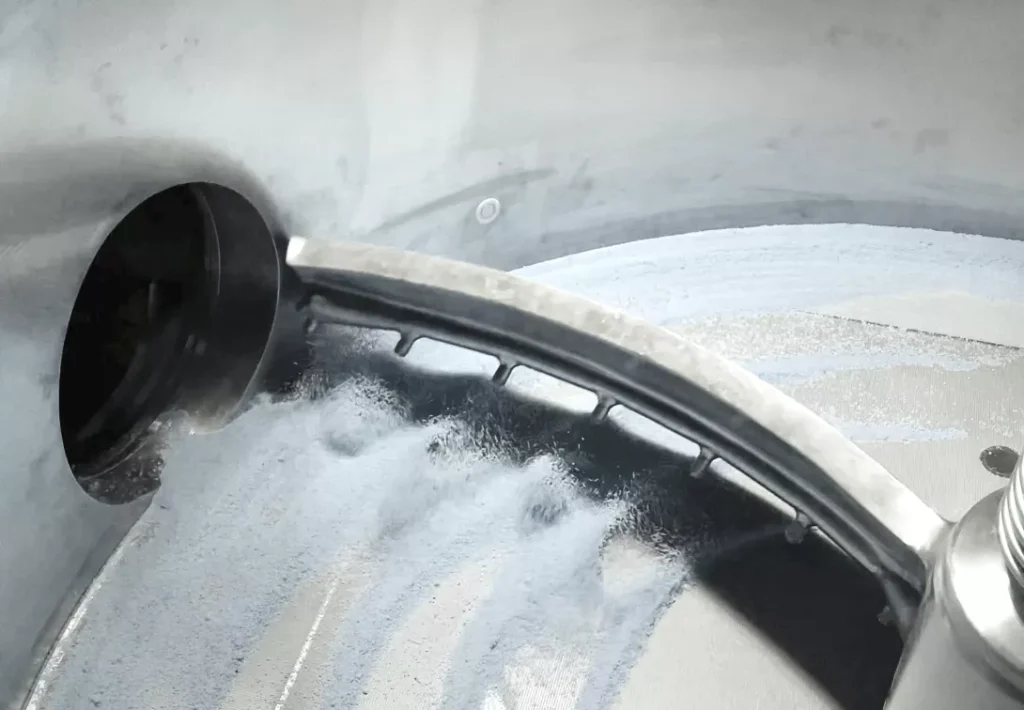

In modern industrial operations, optimizing processes is critical to improving efficiency, product quality, and cost-effectiveness. Filtration and drying are essential steps in industries such as pharmaceuticals, chemicals, and food production, where even minor inefficiencies can significantly impact output. The Agitated Filter has emerged as a powerful solution for process optimization due to its multifunctional capabilities, allowing filtration, washing, and drying to occur in a single, controlled environment.
An Agitated Filter is designed to handle batch processing of slurries, powders, and crystalline materials. It combines a perforated filter plate, a mechanical agitator, a jacketed heating system, and a vacuum system to perform multiple steps without the need for transferring materials between equipment. This integrated approach reduces handling, minimizes contamination risk, and shortens cycle times. For industrial applications and detailed specifications, you can explore this Agitated Filter, widely recognized for enhancing operational efficiency and process reliability.
Table of Contents
ToggleReducing Cycle Time
One of the primary ways agitated filters contribute to process optimization is by reducing overall cycle time. Traditional batch processing often requires separate vessels for filtration, washing, and drying, resulting in extended production timelines. The Agitated Filter integrates all three processes into a single unit, allowing operations to proceed sequentially without moving the product.
The vacuum-assisted filtration and drying accelerate moisture removal, while the agitator prevents solids from forming dense cakes that slow processing. By minimizing idle periods and the need for equipment changeovers, production throughput can be significantly increased. Faster cycles also reduce energy consumption and labor costs, providing both operational and financial benefits.
Improving Product Quality
Process optimization is closely tied to product quality. Variability in filtration, washing, or drying can result in uneven moisture content, caking, or contamination, all of which impact the final product. Agitated filters address these concerns by providing precise control over key parameters.
The agitator continuously stirs the solids during filtration and drying, ensuring uniform distribution and preventing localized overheating. Jacketed heating systems allow controlled temperature management, while vacuum systems lower the boiling point of liquids to enable efficient drying of heat-sensitive materials. This level of control produces consistent, high-quality outputs and reduces the likelihood of reprocessing or batch rejection.
Energy and Resource Efficiency
Optimizing energy and resource usage is a critical aspect of process improvement. Traditional filtration and drying equipment often consume large amounts of energy due to prolonged heating and repeated handling. In contrast, the Agitated Filter uses vacuum-assisted drying to achieve the desired moisture content at lower temperatures, reducing energy requirements while preserving product integrity.
Additionally, the integrated washing process allows efficient solvent usage, minimizing waste and environmental impact. By consolidating multiple operations into one vessel, the system also reduces water and cleaning agent consumption during equipment cleaning and validation, contributing to overall resource efficiency.
Versatility and Adaptability
Agitated filters provide versatility that supports process optimization across different products and production scales. They can handle a wide range of materials, including slurries, powders, and crystalline solids, with varying viscosities and particle sizes. Agitator designs such as plough, paddle, or anchor types can be selected to match the characteristics of the material, ensuring effective processing.
This adaptability allows manufacturers to run multiple products in the same equipment without extensive modifications, minimizing downtime and setup costs. The ability to scale the equipment from laboratory to industrial batch sizes further enhances operational flexibility, supporting efficient production planning and utilization of assets.
Safety and Compliance
Safety and regulatory compliance are essential components of process optimization. Agitated filters operate as sealed systems, preventing operator exposure to toxic, corrosive, or flammable materials. This enclosed design also reduces the risk of contamination, which is especially important in pharmaceuticals and food production.
Modern agitated filters can include explosion-proof motors, inert gas purging, and automated control systems to ensure safe and consistent operation. Compliance with cGMP and other industry standards is facilitated through sanitary design, smooth polished surfaces, and easily cleanable components, allowing manufacturers to optimize processes without compromising safety or regulatory requirements.
Data-Driven Process Control
Agitated filters are often equipped with sensors and automated control systems that monitor parameters such as temperature, vacuum pressure, and agitator speed. This real-time monitoring allows operators to optimize each batch based on product behavior and process conditions. Adjustments can be made immediately to maintain consistent quality and efficiency. Data logging also supports continuous improvement initiatives and helps identify bottlenecks or areas for further optimization.
Conclusion
Agitated filters offer a comprehensive solution for process optimization in industries requiring high-quality filtration, washing, and drying. By integrating multiple operations into a single vessel, they reduce cycle time, minimize handling, and enhance product consistency. Their versatility, energy efficiency, and safety features further contribute to optimized production processes. Manufacturers leveraging agitated filters can achieve higher throughput, reduced operational costs, and consistent product quality, making them a vital tool for modern, efficient batch processing.


