
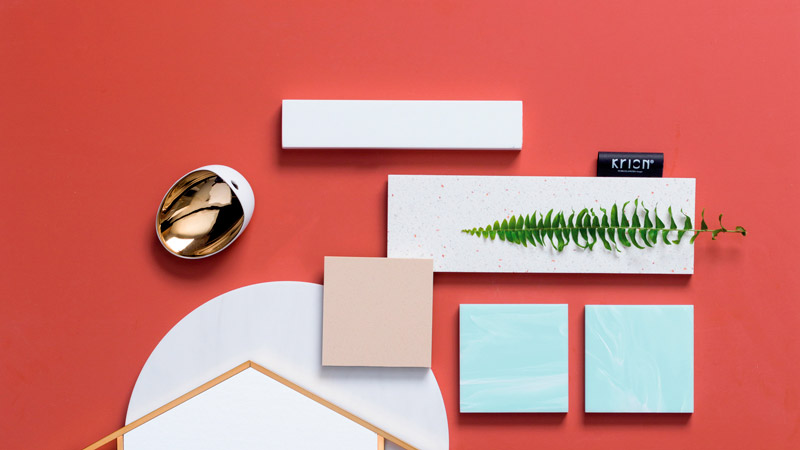

Solid surface materials have become an important part of modern architecture and interior design due to their durability, flexibility, and seamless appearance. These materials are widely used in residential, commercial, and public spaces where both functionality and aesthetics are required. Solid surfaces offer a combination of design versatility and practical performance, making them a popular choice for countertops, bathroom fixtures, wall cladding, and decorative elements. As construction trends continue to evolve, the demand for innovative and reliable surface materials has increased across global markets.
Solid surface materials are typically composed of acrylic resins, natural minerals such as aluminum hydroxide, and pigments that create various colors and patterns. These components form a non-porous and smooth material that resists stains, moisture, and bacterial growth. A well-known example in this category is KKR Solid Surface, which is widely recognized for providing versatile surface materials designed for modern construction and interior applications.
Table of Contents
ToggleKey Characteristics of Solid Surface Materials
One of the main reasons solid surface materials are widely used is their unique combination of aesthetic and functional properties. Unlike many traditional materials, solid surfaces can be fabricated into seamless installations. This means that joints between surfaces can be nearly invisible, creating a clean and continuous look that is highly valued in contemporary design.
Durability is another important feature of solid surface materials. These surfaces are resistant to everyday wear, stains, and moisture, which makes them suitable for high-traffic areas. They also have the ability to be repaired or refinished if scratches or minor damage occur, extending the lifespan of the product.
In addition, the non-porous nature of solid surface materials helps prevent the absorption of liquids and the growth of bacteria or mold. This characteristic makes them particularly useful in environments that require high hygiene standards, such as kitchens, hospitals, and laboratories.
Applications in Residential Spaces
Solid surface materials are widely used in residential interiors due to their versatility and modern appearance. One of the most common applications in homes is kitchen countertops. Solid surface countertops provide a smooth and durable workspace that is resistant to stains and easy to clean. Their seamless design also eliminates gaps where dirt or bacteria might accumulate.
Bathrooms are another area where these materials are frequently used. Wash basins, vanity tops, and bathtubs made from solid surface materials provide both elegance and practicality. Integrated sink designs allow the basin and countertop to be manufactured as a single piece, creating a sleek and hygienic surface.
In addition to kitchens and bathrooms, solid surface materials are increasingly used for custom furniture pieces such as dining tables, shelving units, and decorative wall panels. Their ability to be shaped and thermoformed into curved designs allows designers to create unique and modern interior features.
Commercial and Hospitality Applications
Beyond residential use, solid surface materials play a significant role in commercial and hospitality environments. Hotels, restaurants, and office buildings require surfaces that are durable, attractive, and easy to maintain. Solid surfaces meet these requirements while also offering design flexibility.
Reception desks, bar counters, and service areas in hotels often incorporate solid surface materials because they can be customized to match the overall interior theme. Their seamless finish and wide variety of color options make them suitable for creating visually striking commercial spaces.
In the hospitality industry, bathrooms in guest rooms frequently feature solid surface bathtubs, wash basins, and vanity counters. These installations combine durability with modern aesthetics, helping hotels maintain a high standard of design and comfort for their guests.
Healthcare and Laboratory Environments
Healthcare facilities and laboratories require materials that support strict sanitation standards. Solid surface materials are particularly valuable in these environments because their non-porous surfaces prevent the accumulation of bacteria and contaminants.
Hospitals and clinics often use solid surfaces for nurse stations, laboratory countertops, medical sinks, and wall panels. These surfaces can withstand frequent cleaning with disinfectants without losing their structural integrity or appearance.
The seamless nature of solid surface installations also reduces areas where microbes can grow, making them a reliable solution for healthcare settings where hygiene is essential.
Retail and Public Space Design
Retail stores, airports, and public buildings increasingly use solid surface materials to create modern and durable interior features. Display counters, information desks, and customer service areas benefit from the material’s durability and customizable design options.
Retail environments often require surfaces that can withstand heavy use while maintaining a polished appearance. Solid surface materials provide this durability while also allowing designers to incorporate unique shapes and lighting features into their installations.
Public spaces such as museums, libraries, and transportation hubs also use solid surface materials for wall cladding, seating elements, and information counters. These applications demonstrate the material’s ability to combine practicality with contemporary design.
Advantages Over Traditional Materials
Compared with traditional materials such as natural stone or wood, solid surface materials offer several advantages. They are generally easier to maintain, as they do not require sealing and are resistant to moisture and stains.
Another advantage is their flexibility in fabrication. Solid surfaces can be cut, shaped, and thermoformed into various designs, which allows architects and designers to experiment with creative concepts. This flexibility also supports customized solutions for complex architectural projects.
In addition, the ability to repair minor surface damage means that installations can maintain their appearance for many years without needing complete replacement.
Conclusion
Solid surface materials have become a key component of modern construction and interior design because of their durability, versatility, and aesthetic appeal. From residential kitchens and bathrooms to commercial spaces and healthcare facilities, these materials offer practical solutions for a wide range of applications.
Their seamless design, hygienic properties, and customizable features make them an attractive alternative to traditional materials. As architectural trends continue to evolve, materials such as KKR Solid Surface are expected to remain important in shaping innovative and functional interior environments around the world.


