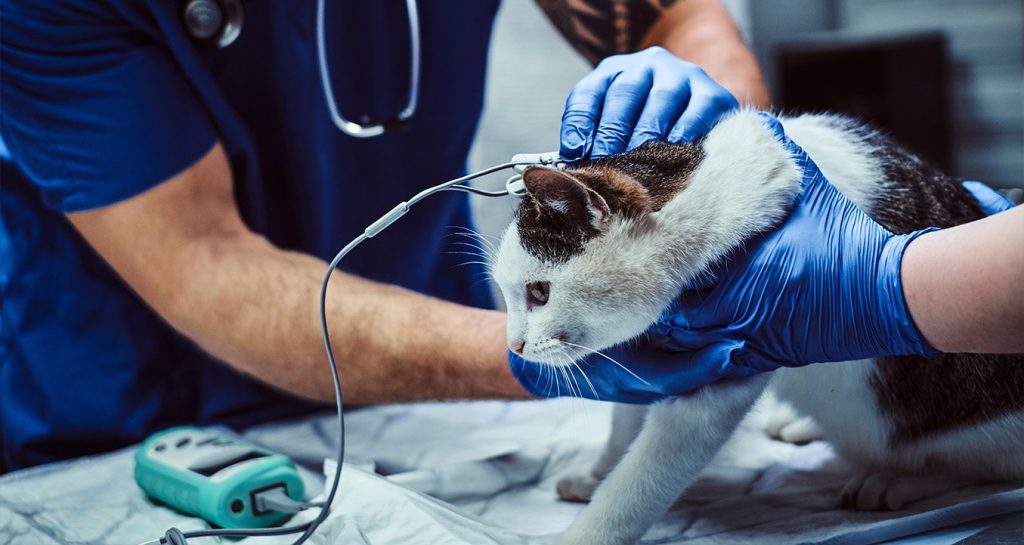

Pets are more than companions; they are family members who rely on us for care, protection, and medical support. An animal clinic serves as a central hub for all pet health needs, offering preventive care, emergency services, and ongoing treatment for a wide range of conditions. Understanding the importance of regular veterinary attention helps owners maintain their pets’ well-being and prevent serious health issues.
Exploring animal clinic services allows pet owners to access professional medical care, vaccinations, and emergency support. These clinics are equipped to handle both routine check-ups and complex medical cases, ensuring pets live healthier and longer lives.
Why Visiting an Animal Clinic Matters
Animal clinics provide specialized healthcare services for pets, which is essential because pets cannot communicate their discomfort or symptoms as humans do. The benefits of regular visits include:
-
Preventive Care: Routine check-ups, vaccinations, and parasite prevention reduce the risk of disease.
-
Early Detection: Identifying illnesses early ensures more effective treatment and better outcomes.
-
Emergency Care: Clinics provide immediate response for injuries, accidents, or sudden health issues.
-
Comprehensive Treatment: From minor ailments to complex surgeries, clinics are prepared to address a wide range of medical needs.
Regular veterinary attention is crucial not only for the health of individual pets but also for community safety by preventing the spread of contagious diseases.
Core Services Offered by Animal Clinics
A reputable animal clinic offers a wide variety of services tailored to the needs of pets and their owners:
1. Preventive Care and Check-Ups
Routine examinations are the cornerstone of preventive health. Services typically include vaccinations, flea and tick control, heartworm prevention, and nutritional guidance.
2. Vaccinations and Immunizations
Vaccines protect pets from contagious and potentially life-threatening diseases. Common vaccinations include rabies, distemper, parvovirus for dogs, and feline viral rhinotracheitis, calicivirus, and panleukopenia for cats.
3. Emergency and Critical Care
Animal clinics are prepared to respond to urgent medical situations such as accidents, severe allergic reactions, or sudden illness. Immediate care increases the likelihood of recovery and reduces long-term complications.
4. Surgical Procedures
From routine spaying and neutering to advanced surgeries, animal clinics are equipped to perform procedures that improve pets’ health and quality of life. These surgeries are performed under safe, sterile conditions with appropriate anesthesia and monitoring.
5. Diagnostic and Laboratory Services
Accurate diagnosis is key to effective treatment. Animal clinics provide blood tests, urine analysis, X-rays, and ultrasound imaging to identify underlying health issues.
6. Dental Care
Oral health significantly impacts overall wellness. Clinics provide teeth cleaning, scaling, polishing, and treatment for dental diseases, helping prevent pain and infection.
7. Rehabilitation and Therapy
Some clinics offer physiotherapy, hydrotherapy, or specialized rehabilitation programs to aid recovery after injuries or surgery, improving mobility and quality of life for pets.
How to Choose the Right Animal Clinic
Selecting a professional and reliable animal clinic ensures that pets receive consistent, high-quality care. Consider these factors:
-
Qualified Veterinarians: Ensure staff are licensed and experienced in animal healthcare.
-
Comprehensive Facilities: Clinics should offer emergency services, diagnostic tools, and surgical capabilities.
-
Accessibility: Clinics with extended hours or emergency support are advantageous.
-
Clean and Safe Environment: Proper hygiene and handling protocols protect pets from infections.
-
Positive Reputation: Reviews, referrals, and recommendations help identify trusted clinics.
Tips for Pet Owners
Maximizing the benefits of an animal clinic requires proactive pet care:
-
Schedule regular check-ups even if pets appear healthy.
-
Maintain vaccination and medical records for reference during visits.
-
Monitor changes in behavior, appetite, or physical condition.
-
Discuss diet, exercise, and preventive care with veterinary professionals.
-
Familiarize yourself with emergency procedures and contact information for urgent care.
Benefits of Regular Veterinary Visits
Consistent visits to an animal clinic provide multiple advantages:
1. Early Detection of Illness
Routine check-ups allow veterinarians to detect conditions before they become severe, improving treatment outcomes.
2. Longer, Healthier Life
Preventive care, proper nutrition guidance, and timely medical intervention contribute to a longer and more active life for pets.
3. Expert Advice
Veterinarians provide guidance on behavior, nutrition, and overall care, helping pet owners make informed decisions.
4. Emergency Preparedness
Knowing your pet has access to immediate care reduces stress and ensures timely treatment in critical situations.
5. Community Safety
Healthy pets reduce the risk of contagious diseases spreading among other animals and humans, promoting a safer environment.
Conclusion
An animal clinic is an essential resource for pet owners who want to ensure the health, happiness, and longevity of their furry companions. From preventive care and vaccinations to emergency services, surgeries, and rehabilitation, clinics offer comprehensive solutions for pets of all ages and breeds.
Accessing a professional animal clinic provides peace of mind, expert medical care, and timely interventions, allowing pets to live healthy, fulfilling lives while ensuring their owners have the support they need to provide the best care possible.