
Have you ever walked into your home and instantly felt it was either too warm or too cold—like the house never quite adjusts to your rhythm? That small discomfort often goes unnoticed, yet it affects comfort, sleep, and even energy costs more than most people realize.
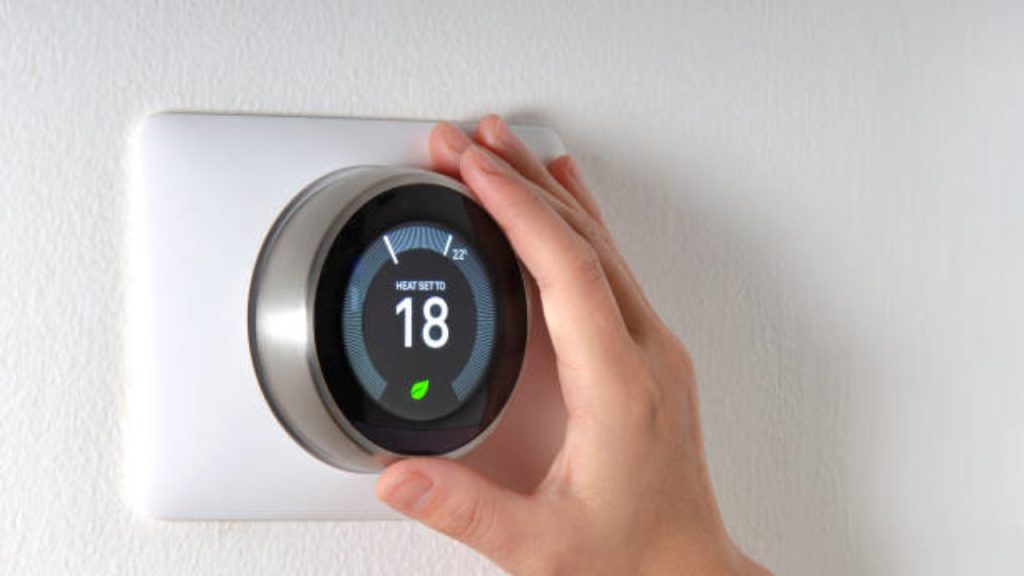
A Smart Thermostat helps solve this by giving your home the ability to adjust temperature automatically based on your habits, preferences, and daily routine—without you constantly touching a single control.
Why Temperature Control Matters in Everyday Living
Temperature is one of those things we only notice when it feels wrong. A slightly cold room can make it harder to focus, while excessive heat can affect sleep quality and productivity.
Modern lifestyles are also less predictable than before. People:
- Work from home part-time or full-time
- Travel frequently
- Spend time in different rooms throughout the day
- Have irregular sleep and wake patterns
Traditional thermostats were never designed for this kind of flexibility.
Common Problems in Older Heating and Cooling Systems
Many households still deal with:
- Heating or cooling empty rooms
- Forgetting to adjust settings before leaving
- Sudden temperature changes at night
- Uneven comfort across different floors
- High monthly energy bills without clear reasons
These issues don’t usually come from broken systems—they come from a lack of intelligent control.
How Smart Temperature Control Works
A smart thermostat is connected to your home Wi-Fi and links with your heating and cooling system. But its real strength is not just remote control—it’s behavior-based adjustment.
Instead of relying on fixed manual settings, it observes patterns like:
- When you wake up
- When you leave home
- When you return
- How your temperature preferences change throughout the day
Over time, it builds a routine that matches your lifestyle.
Everyday Comfort That Feels Natural
The biggest difference users notice is consistency. The home doesn’t feel like it needs constant manual adjustment anymore.
Morning Routine Comfort
Imagine waking up and your room already feels comfortable. No waiting for the heating to kick in or cooling to catch up.
Midday Energy Efficiency
When the house is empty during work or school hours, the system automatically adjusts to save energy without affecting comfort when you return.
Evening Relaxation Mode
As the day winds down, the temperature gradually shifts to a more relaxing level, supporting rest and family time.
Energy Savings Without Extra Effort
Heating and cooling often account for a large portion of household energy use. Even small inefficiencies can add up over time.
A smart system helps reduce waste by:
- Lowering usage when no one is home
- Avoiding overcooling or overheating
- Optimizing runtime based on habits
- Adjusting to seasonal changes automatically
The key advantage is simple: it reduces energy usage without requiring constant attention.
Real-Life Example: A Family’s Experience
A family living in a three-bedroom home struggled with rising electricity costs. Their routine was inconsistent—some days the house stayed empty for long hours while the HVAC system kept running.
After installing a smart system:
- They created weekday schedules based on school and work hours
- The system reduced energy use during the day
- Night settings improved sleep comfort
After a few months, they noticed two clear improvements:
- More stable indoor comfort
- Noticeably lower energy bills
What changed wasn’t their lifestyle—it was how their home responded to it.
Key Features That Make a Difference
Not all systems offer the same level of performance. Some features matter more than others when choosing the right one.
1. Mobile App Control
Control your home temperature from anywhere using a smartphone.
Useful for:
- Adjusting settings while traveling
- Preparing the home before arrival
- Monitoring system performance remotely
2. Learning Capabilities
Some systems gradually learn your behavior patterns and adjust automatically.
For example:
- If you always lower the temperature at night, it will start doing it for you
- If mornings require heating, it prepares in advance
3. Custom Scheduling
Users can create detailed schedules for:
- Weekdays
- Weekends
- Seasonal changes
This ensures the system matches real-life routines.
4. Energy Reports
Many modern systems provide insights such as:
- Usage patterns
- Peak consumption hours
- Efficiency suggestions
This helps homeowners make more informed decisions.
Integration with Smart Home Systems
Modern homes often include multiple connected devices. A smart thermostat fits into this ecosystem easily.
It can integrate with:
- Google Home
- Amazon Alexa
- Apple HomeKit
- Smart lighting systems
- Security systems
Example of Connected Automation
- You leave home → temperature reduces automatically
- Lights turn off
- Security system activates
- Energy consumption drops
Everything works together without manual input.
Seasonal Comfort Made Simple
Weather changes are one of the biggest challenges for home comfort. Smart systems handle this smoothly.
Winter Season
- Pre-heats rooms before waking hours
- Maintains consistent warmth
- Avoids overheating when not needed
Summer Season
- Cools rooms before arrival
- Reduces unnecessary AC usage
- Maintains stable indoor conditions
Instead of reacting to temperature changes, the system prepares ahead of time.
Common Mistakes Homeowners Make
Even with advanced systems, users sometimes miss out on benefits due to simple mistakes.
Not Setting Up Schedules Properly
Without proper scheduling, automation cannot perform effectively.
Ignoring App Features
Many users only use basic controls and never explore energy reports or automation options.
Overlooking Zoning Needs
In larger homes, single-zone control may not provide optimal comfort across all rooms.
Installation and Setup Experience
Most modern systems are designed for simple installation, but setup quality matters.
Basic steps include:
- Connecting to Wi-Fi
- Installing the mobile app
- Configuring initial temperature preferences
- Creating basic schedules
Once set up, most adjustments become automated.
Environmental Benefits
Energy efficiency is not just about cost—it also impacts environmental sustainability.
By optimizing heating and cooling, smart systems help reduce:
- Unnecessary energy consumption
- Carbon emissions
- Overall system strain
Even small improvements across many households can make a meaningful difference.
Future of Home Climate Control
Climate technology is evolving quickly. Future systems are expected to become even more intuitive.
Emerging Trends
- Predictive temperature adjustment based on weather forecasts
- More accurate occupancy detection
- AI-driven energy optimization
- Deeper integration with home automation systems
Homes are moving toward environments that adjust themselves with minimal input.
Why This Upgrade Makes Sense
Unlike decorative upgrades, climate control directly affects daily life. It influences comfort, sleep, productivity, and energy usage every single day.
A well-designed system helps you:
- Maintain consistent comfort
- Reduce unnecessary energy use
- Avoid manual adjustments
- Improve daily routines
- Create a more responsive home environment
Final Thoughts
A modern home should respond to the way you live, not force you to adjust to it. Smart climate control brings that idea into reality by combining automation, learning behavior, and remote access into a single system.
Whether your focus is comfort, efficiency, or long-term savings, upgrading how your home manages temperature can make everyday living noticeably smoother. Over time, it becomes less about controlling the system—and more about letting the system support your lifestyle naturally.