
Table of Contents
ToggleIntroduction
As industries increasingly shift toward sustainable materials, the environmental impact of plastics has become a key consideration in manufacturing and packaging decisions. Companies are under growing pressure to reduce waste, improve recyclability, and adopt materials that align with circular economy principles. In this context, PETG film has gained attention as a more environmentally conscious alternative to several traditional plastics used in packaging and industrial applications.
Understanding the sustainability profile of PETG film requires examining its recyclability, production impact, and end-of-life behavior. In many modern applications, PETG film is chosen not only for its clarity and durability but also for its relatively favorable environmental characteristics compared to materials like PVC and certain mixed plastics.
Material Composition and Environmental Profile
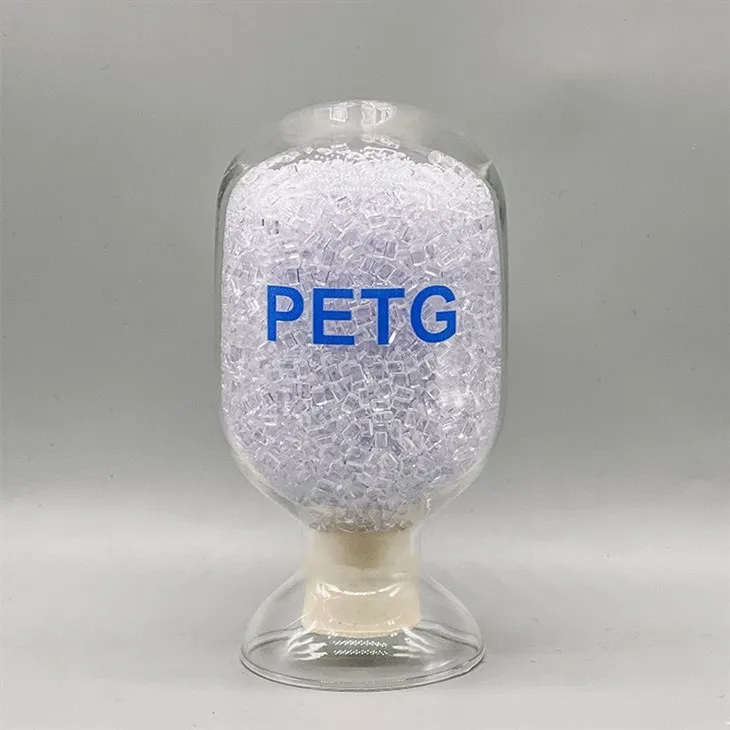
PETG is a glycol-modified form of polyethylene terephthalate (PET), designed to improve flexibility and impact resistance while maintaining similar chemical foundations. This similarity to PET is one of the reasons PETG is considered more environmentally manageable than many other thermoplastics.
Unlike chlorine-based plastics such as PVC, PETG does not release harmful halogenated compounds during processing or disposal. This makes it a cleaner option in terms of emissions and environmental safety. Its stable structure also allows for more controlled recycling processes in suitable waste management systems.
Recyclability of PETG Film
One of the most important environmental advantages of PETG film is its recyclability. In many regions, PETG can be recycled through PET recycling streams, although acceptance may vary depending on local infrastructure and sorting capabilities.
The recycling process typically involves:
- Collection and sorting of PETG waste materials
- Cleaning to remove contaminants such as inks or adhesives
- Shredding into flakes for reprocessing
- Melting and reforming into new plastic products
When properly processed, recycled PETG can be used in non-food packaging, industrial components, and sheet materials. However, maintaining material purity is essential to ensure high-quality recycling outcomes.
Because PETG film is compatible with mechanical recycling systems, it supports efforts to reduce plastic waste and extend material life cycles.
Comparison with Other Plastics
When evaluating environmental performance, PETG film is often compared to other commonly used plastics in packaging and industrial applications.
PVC (Polyvinyl Chloride)
PVC has long been criticized for its environmental drawbacks, particularly due to chlorine content and harmful byproducts generated during incineration. PETG film is considered a safer alternative because it does not contain chlorine and produces fewer toxic emissions.
Polycarbonate (PC)
Polycarbonate offers high performance but is more energy-intensive to produce and recycle. PETG film provides a more balanced environmental profile with easier processing and lower production temperatures.
Standard PET
PET is widely recycled and forms the basis for many circular systems. PETG shares chemical similarities with PET, which allows partial compatibility in recycling streams. However, PETG must be properly sorted to avoid contamination issues.
PVC and Mixed Plastics
Mixed plastics are often difficult to recycle due to incompatible polymer structures. PETG film, by contrast, is more uniform and easier to integrate into existing recycling processes when properly managed.
Manufacturing Efficiency and Energy Use
Environmental impact is not limited to end-of-life recyclability; production efficiency also plays a major role. PETG film is processed at relatively low temperatures compared to some engineering plastics, which helps reduce energy consumption during manufacturing.
Lower processing temperatures translate into:
- Reduced greenhouse gas emissions during production
- Lower operational energy costs
- Improved efficiency in large-scale manufacturing
This makes PETG film a more resource-efficient option in high-volume production environments such as packaging and consumer goods manufacturing.
Waste Reduction in Packaging Applications
One of the key sustainability benefits of PETG film is its role in reducing material waste in packaging design. Because of its high impact resistance and durability, it helps protect products more effectively, reducing damage-related waste during transportation and retail handling.
Its thermoformability also allows manufacturers to design lightweight yet strong packaging structures, minimizing material usage without compromising protection. This contributes to reduced plastic consumption overall.
Additionally, PETG film can often replace multi-layer or composite materials that are more difficult to recycle, simplifying waste streams and improving recyclability outcomes.
Challenges in Recycling and Sustainability
Despite its advantages, PETG film still faces challenges in recycling systems. One of the main issues is material identification and separation. In mixed plastic waste streams, PETG can sometimes be mistakenly sorted with other materials, reducing recycling efficiency.
Another challenge is contamination from inks, coatings, or adhesives used in printed or laminated applications. These additives can complicate recycling processes and may require additional cleaning steps.
Improving recycling infrastructure and labeling systems is essential to fully realize the environmental benefits of PETG film.
Future Outlook for Sustainable Use
The future of PETG film in sustainable applications depends on advancements in recycling technology and greater adoption of circular economy practices. As industries move toward eco-friendly materials, PETG is expected to play a growing role in packaging and industrial design.
Innovations in chemical recycling and improved sorting technologies may further enhance its recyclability, making it an even more attractive option for environmentally responsible manufacturing.
Conclusion
PETG film offers a balanced environmental profile that supports both performance and sustainability goals. While challenges remain in recycling infrastructure and material separation, its chlorine-free composition, energy-efficient processing, and recyclability make it a strong alternative to many traditional plastics. As industries continue to prioritize sustainability, PETG film is likely to remain an important material in the transition toward more responsible plastic use and circular production systems.