
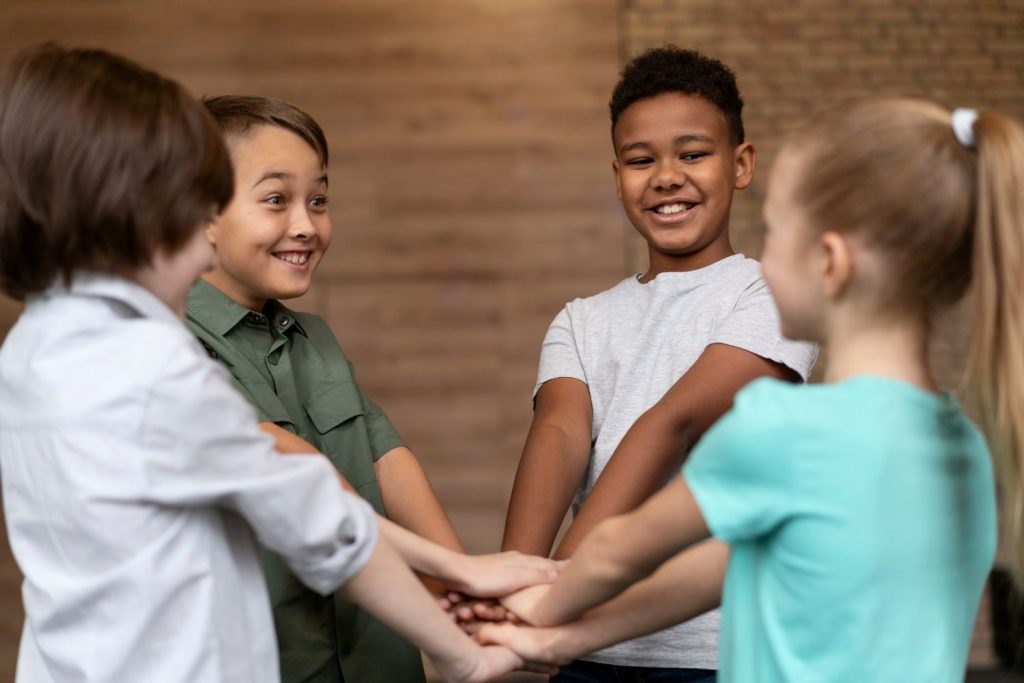

Children experience a wide range of emotional, behavioral, and social challenges as they grow. From learning how to communicate effectively to managing frustration and building friendships, these developmental stages play a key role in shaping long-term well-being. In some cases, structured therapeutic support can help children navigate these challenges more confidently and effectively.
Programs such as group therapy for children offered by Resilient Mind Psychotherapy in Bay Ridge, Brooklyn, NY, provide a structured and supportive environment where children, preteens, and teenagers can develop emotional awareness, improve communication skills, and engage in positive peer interaction under professional guidance.
Table of Contents
ToggleUnderstanding Group Therapy for Children
Group therapy for children is a structured form of mental health support where a small group of children meets regularly with a licensed therapist or counselor. These sessions are designed to encourage communication, emotional expression, and social development in a safe and guided setting.
Unlike individual therapy, group therapy emphasizes peer interaction. Children are able to observe, interact, and learn from one another while receiving professional guidance. This approach helps them understand how their behavior affects others and how to respond more effectively in social situations.
Key Benefits of Group Therapy
Group therapy offers a variety of emotional and developmental benefits for children. By participating in structured group sessions, children gain opportunities to practice essential life skills in real time.
Some of the key benefits include:
- Improved communication and listening skills
- Greater emotional awareness and expression
- Increased confidence in social situations
- Reduced feelings of isolation
- Better problem-solving and conflict resolution skills
- Enhanced ability to build and maintain friendships
These benefits can have a lasting impact on a child’s academic performance, home environment, and overall emotional well-being.
Emotional Development Through Group Interaction
Emotional development is a core focus of group therapy for children. Many children struggle with identifying and expressing emotions in healthy ways, which can lead to frustration or behavioral challenges.
Through guided activities and therapist support, children learn how to:
- Recognize different emotions in themselves and others
- Express feelings in appropriate and constructive ways
- Develop empathy and understanding
- Manage stress and frustration more effectively
- Build self-regulation and patience
These foundational skills support healthier emotional development and improve a child’s ability to handle everyday challenges.
Common Activities in Group Therapy Sessions
Therapists use structured and engaging activities to help children participate actively in sessions. These activities are designed to be age-appropriate while reinforcing emotional and social learning.
Typical group therapy activities include:
Role-Playing Exercises
Children act out real-life social scenarios to practice communication, problem-solving, and emotional responses.
Cooperative Games
Team-based activities help children learn collaboration, sharing, and cooperation.
Creative Expression
Art, drawing, and storytelling allow children to express emotions in non-verbal and imaginative ways.
Group Discussions
Children are encouraged to talk about feelings, challenges, and experiences in a supportive environment.
Mindfulness and Relaxation Techniques
Simple breathing exercises and mindfulness practices help children manage stress and anxiety.
These activities are carefully guided by therapists to ensure a safe and productive learning environment.
Social Skills Development in Group Settings
One of the most important advantages of group therapy is the opportunity for real-time social learning. Children practice interacting with peers in a structured environment that mirrors real-life social situations.
This helps them develop:
- Active listening skills
- Respectful communication habits
- Conflict resolution abilities
- Teamwork and cooperation
- Confidence in group settings
These skills are essential for success in school, friendships, and future social environments.
Who Can Benefit from Group Therapy for Children
Group therapy can support children facing a wide range of emotional and behavioral challenges. It is especially helpful for those who may struggle with:
- Social anxiety or shyness
- Difficulty making friends
- Emotional regulation issues
- Behavioral challenges
- Low self-esteem
- Adjusting to school or life transitions
Because each group is guided by professionals, sessions are tailored to meet the developmental needs of participating children.
Role of Therapists in Group Therapy
Licensed therapists play a central role in ensuring that group therapy sessions are structured, supportive, and effective. They guide discussions, manage group dynamics, and help children practice positive behaviors.
Therapists also:
- Provide feedback and emotional support
- Encourage participation from all children
- Teach coping and communication strategies
- Help children apply skills to real-life situations
Their guidance ensures that each child benefits from a safe and structured learning environment.
Long-Term Impact on Emotional Well-Being
The skills learned in group therapy extend beyond childhood. Children who develop strong emotional and social skills early in life are often better prepared for future challenges in adolescence and adulthood.
Long-term benefits may include:
- Stronger relationships and social connections
- Improved academic performance and classroom behavior
- Better emotional resilience and stress management
- Increased self-confidence and independence
These outcomes highlight the importance of early emotional and social development support.
Conclusion
Group therapy for children provides a structured and supportive environment where young individuals can develop essential emotional, social, and communication skills. Through guided activities and peer interaction, children learn how to express emotions, build relationships, and manage challenges more effectively.
Programs like group therapy for children offered by Resilient Mind Psychotherapy help create safe spaces where children, preteens, and teenagers can grow emotionally, build confidence, and develop skills that support long-term well-being and success.

