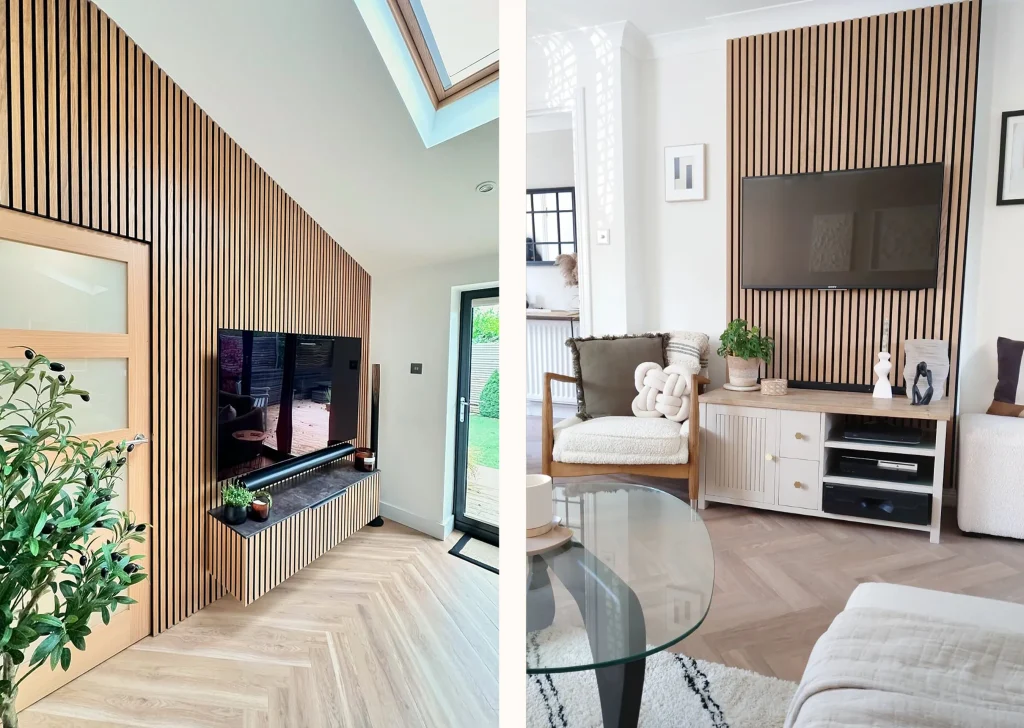

Acoustic design has become an essential part of modern construction, influencing both comfort and functionality in built environments. Whether it is a home, office, hotel, or educational facility, managing sound effectively can significantly improve how people experience a space. Noise control is no longer limited to specialized studios; it is now a standard requirement in many residential and commercial projects.
Choosing the right acoustic panels supplier is a key step in achieving effective sound management. However, the requirements for residential and commercial applications are not the same. Understanding these differences helps ensure that the selected acoustic solutions match the specific needs of each environment.
Table of Contents
ToggleUnderstanding Acoustic Needs in Different Spaces
Every space has its own acoustic challenges. Residential environments typically focus on comfort, privacy, and reducing external noise. In contrast, commercial spaces often require more advanced sound control due to higher occupancy levels and complex sound reflections.
For example, a living room may need basic echo reduction, while an open-plan office requires more structured acoustic zoning. Recognizing these differences is the first step in selecting the right panels and supplier support.
Residential Acoustic Panel Considerations
In residential settings, acoustic treatment is primarily about creating a peaceful and comfortable living environment. Homeowners often seek solutions that blend seamlessly with interior design while improving sound quality.
Noise Reduction for Comfort
Residential spaces benefit from reducing external noise such as traffic, neighbors, or household appliances. Acoustic panels help absorb unwanted sound and create a quieter indoor atmosphere.
Aesthetic Integration
Since panels are often visible in living spaces, design plays a major role. Home-friendly acoustic solutions are usually available in various colors, textures, and decorative finishes.
Space Efficiency
Homes typically have limited wall space, so compact and strategically placed panels are preferred to avoid overcrowding interiors while still improving acoustics.
Commercial Acoustic Panel Considerations
Commercial environments have more complex acoustic requirements due to larger spaces and higher occupancy levels. Sound management in these settings directly affects productivity, communication, and customer experience.
Open-Plan Office Noise Control
In offices, acoustic panels help reduce distractions caused by conversations, phone calls, and office equipment. This improves focus and workplace efficiency.
Public Space Sound Management
Restaurants, hotels, and retail environments require balanced acoustics to maintain a comfortable noise level without creating overly silent or echo-heavy spaces.
Compliance and Performance Standards
Commercial projects often require compliance with fire safety, acoustic performance, and environmental regulations. Working with an experienced supplier ensures these requirements are met.
Importance of Choosing the Right Supplier
A reliable supplier plays a critical role in both residential and commercial projects. Their expertise influences product selection, customization, and overall performance outcomes.
A professional acoustic panels supplier provides guidance on material selection, installation methods, and acoustic planning tailored to each environment.
Material Selection for Different Applications
The choice of materials varies depending on whether the project is residential or commercial.
Residential Materials
Home applications often prioritize soft, fabric-wrapped, or decorative panels that blend with interior design while maintaining effective sound absorption.
Commercial Materials
Commercial environments typically require high-durability materials such as high-density acoustic boards, wood-based panels, or fire-rated composites that can handle heavy usage.
Customization and Design Flexibility
Both residential and commercial projects benefit from customization, but the level of complexity differs.
Residential clients often focus on color and style variations, while commercial projects may require large-scale custom sizing, branding integration, or architectural coordination.
Custom solutions ensure that acoustic panels align with both functional and aesthetic requirements.
Installation and Project Support
Proper installation is essential for achieving effective acoustic performance. Poor placement can significantly reduce sound absorption efficiency.
Suppliers often support projects by providing:
- Installation guidelines
- Layout recommendations
- Acoustic placement strategies
- Technical documentation
This support helps ensure that both residential and commercial installations achieve optimal results.
Cost Considerations Across Applications
Budget expectations can vary widely between residential and commercial projects. Residential installations are usually smaller in scale, while commercial projects often require bulk purchasing and long-term planning.
However, in both cases, long-term value is more important than initial cost. High-quality acoustic panels tend to last longer and perform better over time, reducing maintenance needs.
Final Thoughts
Acoustic requirements differ significantly between residential and commercial environments, but both rely on effective planning and quality materials. Understanding these differences helps ensure that the right solutions are chosen for each application.
Working with an experienced acoustic panels supplier ensures access to suitable materials, design flexibility, and technical support for both home and commercial projects. With the right approach, acoustic panels can greatly improve comfort, functionality, and overall space quality in any environment.