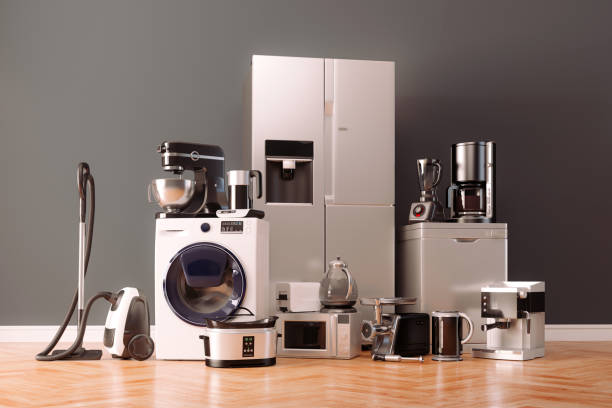

As smart homes become more common, connected devices are now handling everything from lighting and climate control to kitchen and cleaning appliances. While this connectivity brings convenience, it also introduces important concerns around data security and privacy. Every connected device generates and transmits information, making protection systems a critical part of modern home technology.
In this environment, smart home appliance brands are increasingly focused on strengthening cybersecurity measures and ensuring that user data remains safe, private, and properly managed.
Table of Contents
ToggleWhy Security Matters in Smart Home Devices
Smart appliances rely on internet connectivity and data exchange to function efficiently. This means they often collect and process information such as usage patterns, device settings, and user preferences.
Without proper security measures, risks may include:
- Unauthorized access to connected devices
- Data leaks or misuse of personal information
- Remote manipulation of appliances
- Weak network protection in home systems
Because smart homes are interconnected, a single vulnerable device can potentially compromise the entire system.
Types of Data Collected by Smart Appliances
Understanding what data is collected helps users evaluate privacy risks more effectively. Most smart appliances gather operational and behavioral data to improve performance.
Common types of data include:
- Usage frequency and timing
- Device settings and preferences
- Energy consumption patterns
- App interaction and control history
In some cases, data is stored locally, while in others it is processed through cloud-based systems.
Encryption and Secure Communication Systems
One of the most important security measures used by manufacturers is encryption. This ensures that data transmitted between devices, apps, and cloud servers cannot be easily intercepted or accessed by unauthorized parties.
Key security technologies include:
- End-to-end encryption for data transmission
- Secure Wi-Fi and Bluetooth communication protocols
- Encrypted cloud storage systems
- Protected authentication processes
These systems help safeguard user information during both local and remote device interactions.
User Authentication and Access Control
Smart appliances often include multiple layers of authentication to ensure that only authorized users can access and control devices.
Common security features include:
- Password-protected accounts
- Two-factor authentication (2FA)
- Device pairing verification processes
- Role-based access control for shared households
These measures reduce the risk of unauthorized usage or control of connected devices.
Privacy Concerns in Smart Home Ecosystems
While smart appliances improve convenience, they also raise privacy concerns related to data collection and usage. Users are increasingly aware of how their information is stored and processed.
Key privacy concerns include:
- How long data is stored by manufacturers
- Whether data is shared with third parties
- Lack of transparency in data usage policies
- Potential tracking of user behavior patterns
Responsible manufacturers address these concerns through clear privacy policies and data management controls.
Cloud Storage and Data Management Practices
Many smart appliances rely on cloud-based systems for remote access and advanced functionality. While this improves performance, it also introduces data security responsibilities.
Secure cloud practices include:
- Data encryption during upload and storage
- Regular server security updates
- Restricted access to sensitive user information
- Regional data storage compliance with regulations
Proper cloud management ensures that user data remains protected while enabling smart features.
Firmware Updates and Security Patches
One of the most effective ways to maintain security is through regular software updates. Manufacturers release firmware updates to fix vulnerabilities and improve system performance.
These updates typically include:
- Security patch enhancements
- Bug fixes for system stability
- Improved encryption protocols
- New privacy control features
Users are encouraged to keep their devices updated to maintain optimal security levels.
Network Security in Smart Homes
Since smart appliances rely on home networks, overall network security is equally important. Weak Wi-Fi security can expose all connected devices to risks.
Recommended security practices include:
- Using strong and unique Wi-Fi passwords
- Enabling network encryption (WPA3 or WPA2)
- Separating smart devices from primary networks
- Regular router firmware updates
A secure network environment is the foundation of safe smart home operation.
Manufacturer Responsibility and Industry Standards
Leading manufacturers are increasingly adopting global security standards to protect users and build trust. Compliance with these standards ensures consistent protection across devices.
Common industry practices include:
- Adherence to international cybersecurity frameworks
- Regular third-party security audits
- Transparent privacy policy documentation
- Built-in security-by-design principles
These measures help establish reliability and accountability in the smart appliance industry.
Conclusion
As smart homes continue to evolve, security and privacy have become essential aspects of appliance design and usage. From encryption and authentication to cloud protection and firmware updates, manufacturers are implementing multiple layers of defense to safeguard user data.
Understanding how smart home appliance brands handle security and privacy helps consumers make informed decisions and build safer connected environments. In a fully connected home, strong data protection is just as important as convenience and functionality.