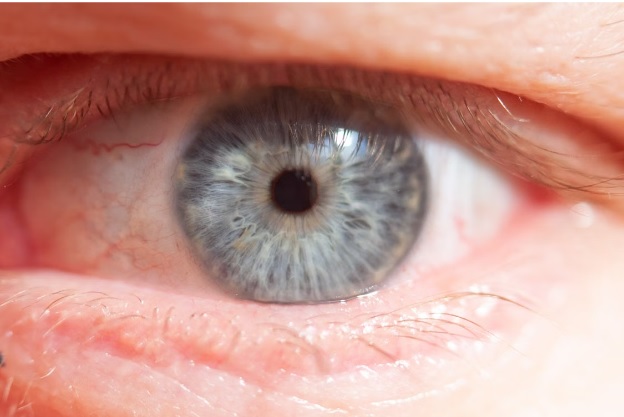

Cataracts tend to develop slowly, so changes in vision are easy to put down to age or tired eyes. You may notice that reading small print takes more effort, headlights look unusually bright at night, or colours seem less clear than before. Over time, these small changes can begin to affect everyday activities.
That is when getting an eye examination becomes important. A proper assessment can establish whether cataracts are causing the problem or if another eye condition needs attention.
Knowing When A Cataract Needs Attention
A cataract develops when the natural lens of the eye becomes cloudy. It does not usually happen overnight. For many people, vision gradually becomes less sharp over months or years.
Some common signs include:
- Blurred or cloudy vision
- Difficulty seeing clearly in low light
- Increased sensitivity to headlights and bright lights
- Faded or yellowish colours
- Frequent changes in spectacle prescription
- Difficulty reading or watching television comfortably
- Halos around lights
Not everyone experiences these symptoms in the same way. Someone may continue with their normal routine for quite some time before realising that their eyesight has changed.
What Happens During An Eye Assessment?
An eye examination is about more than checking whether you can read letters from a distance. The specialist looks at different aspects of your vision and eye health before deciding what should happen next.
Depending on the individual’s symptoms, an assessment may include:
- Checking visual acuity
- Measuring eye pressure
- Examining the lens for signs of cataract
- Assessing the retina and other parts of the eye
- Reviewing changes in vision over time
- Discussing existing health conditions and medications
This information helps the doctor understand how much the cataract is affecting vision and daily life.
When Is Cataract Surgery Considered?
A cataract does not automatically mean that surgery is needed immediately. In the early stages, some people manage reasonably well with updated glasses, better lighting or other simple adjustments. Surgery is generally considered when the clouding of the lens starts interfering with activities such as reading, driving, working or moving around safely.
The procedure involves removing the cloudy natural lens and replacing it with an artificial intraocular lens. The type of lens and the most suitable approach depend on the individual’s eyes, vision requirements and clinical assessment.
A useful discussion with the ophthalmologist should cover:
- How much the cataract is affecting your current vision
- Whether surgery is recommended at this stage
- Which intraocular lens options are suitable
- What tests are required before the procedure
- What recovery may involve
- When normal activities can be resumed
Having these conversations beforehand can make the treatment process easier to understand.
Choosing A Hospital For Cataract And Vision Care
For someone looking for the best hospital in Kakinada, the quality of eye care should be considered alongside the wider clinical support available at the facility. Cataract treatment involves assessment, diagnosis, surgery when required and follow-up care, so access to the right specialists and supporting facilities matters.
It is also important to check the availability of ophthalmology services at the specific hospital location. Specialist departments can differ between branches, and an eye specialist may not be available at every facility at all times.
Patients comparing healthcare options in nearby areas, searches such as best hospital in Tadepalligudem may also bring up facilities outside Kakinada. Location is certainly useful, but the availability of the required specialist and diagnostic support should carry more weight in the final decision.
Looking Beyond Cataract Surgery
Good vision care does not end with treating a cloudy lens. Regular eye examinations can help identify other changes that may need attention, particularly as people get older.
Someone with diabetes, high blood pressure or a history of eye problems may need regular monitoring based on their doctor’s advice. Even people without noticeable symptoms should discuss appropriate eye-check intervals with a healthcare professional.
The right approach is usually a simple one; notice changes in your vision, get them assessed and understand the available treatment options before deciding what to do next. For cataracts in particular, timely evaluation can help people understand when treatment is actually needed rather than waiting until everyday vision becomes difficult.