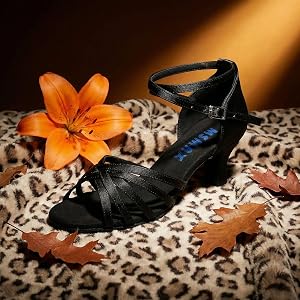

Latin dancing involves continuous movement, quick footwork, and repeated changes in direction. During long rehearsals or energetic performances, feet can become warm and sweaty, making material choice an important part of dance shoe selection. Shoes that allow suitable airflow and manage moisture can help improve comfort and reduce the irritation associated with damp footwear.
When exploring Custom Latin Dance Shoes, dancers should consider more than appearance and fit. The upper material, lining, construction, and ventilation features can all influence how comfortable a shoe feels during use. Understanding the advantages and limitations of different materials makes it easier to select footwear that suits your dancing style and practice routine.
Why Breathability Matters in Latin Dance Shoes
Breathability refers to how readily air and moisture vapor can pass through a material. In dance footwear, this can help reduce heat and moisture buildup around the feet, especially during extended sessions.
When sweat remains trapped inside a shoe, the skin may become soft and more vulnerable to rubbing. This can contribute to discomfort, unpleasant odors, and blisters. Breathable materials may help manage these conditions, although no material can eliminate sweating completely.
The right balance depends on the dancer, the environment, and the intensity of the activity. A shoe used for a short performance may have different requirements from one worn for several hours of daily practice.
Leather: A Versatile Material for Dance Shoes
Leather is a common option in footwear because it combines flexibility, structure, and durability. Depending on its type and finish, leather may gradually adapt to the shape of the foot with regular wear.
Some leather varieties allow moisture vapor to escape more readily than many fully coated synthetic materials. However, breathability varies with thickness, tanning methods, surface treatments, and lining choices. Not every leather shoe will feel equally cool.
Leather can be a practical choice for dancers who want a balance of support and comfort. It is important to follow the manufacturer’s care instructions, as excessive moisture or unsuitable cleaning products can damage the material.
Satin: An Elegant Choice With Different Practical Needs
Satin is frequently used in Latin dance footwear because of its smooth appearance and suitability for performance costumes. It can provide an elegant finish for competitions, showcases, and formal dance events.
However, satin should not automatically be considered highly breathable. Its performance depends on the fibers used, the weave, any surface coating, and the shoe’s internal construction. A satin upper with a breathable lining may feel different from one made with less permeable materials.
If you prefer satin shoes, consider how long you will wear them and whether the interior helps manage moisture. Regular airing and careful cleaning can also help keep the footwear fresh.
Synthetic Materials: Practical Options for Regular Use
Synthetic materials include a wide range of fabrics and manufactured surfaces. Some are designed to be flexible, lightweight, or easy to maintain, while others use coatings that limit airflow.
The main advantage of synthetic footwear is the variety available. Mesh panels and specially engineered fabrics may encourage ventilation, while smooth synthetic finishes can offer a consistent appearance and straightforward care.
Before choosing a synthetic upper, check its construction rather than relying on the material label alone. A breathable fabric may still feel warm if the shoe includes a thick, non-breathable lining.
For dancers who practice frequently, the right synthetic material can provide a useful combination of comfort, appearance, and maintenance convenience.
The Role of Linings in Moisture Management
The lining sits against the foot or separates the foot from the outer material. Although the upper often receives the most attention, the lining can have a significant effect on comfort.
A lining that manages moisture effectively may help reduce the clammy feeling associated with sweaty feet. Soft, smooth linings can also limit friction when the shoe fits correctly.
Consider these features when comparing linings:
- Moisture management: Look for materials designed to absorb or transfer moisture away from the skin.
- Softness: A smooth surface can help reduce rubbing in areas where the shoe contacts the foot.
- Drying time: Materials that dry reasonably quickly may be more practical for frequent training.
- Construction: Thick layers or impermeable coatings can limit airflow, even when the outer material is breathable.
A lining should feel comfortable without making the shoe overly bulky or loose. The overall fit remains essential to preventing unnecessary friction.
Mesh Panels and Ventilation Features
Some dance shoes incorporate mesh or other lightweight fabric sections to increase airflow. These features can be useful for dancers who tend to experience warm feet during vigorous practice.
Mesh varies in density, durability, and flexibility. Fine mesh may provide a subtle appearance, while more open structures can allow greater airflow but may offer less coverage. Placement also matters because ventilation is most useful when it addresses areas where heat and moisture tend to accumulate.
Not every Latin dance shoe includes mesh, and highly ventilated designs may not suit every costume or performance requirement. Consider whether ventilation, appearance, and support are balanced appropriately for your needs.
The shoe should still hold the foot securely and remain suitable for the movements you perform.
How Shoe Construction Affects Breathability
Material selection is only one part of the equation. The way a shoe is assembled can influence heat retention and moisture movement.
Multiple dense layers, heavy adhesives, and thick linings may reduce the airflow that an outer fabric would otherwise provide. A lightweight upper may feel less breathable if the shoe’s interior uses materials that trap heat.
The shape and coverage of the shoe also make a difference. Open-toe designs expose more of the foot than fully enclosed styles, but they must still secure the foot properly. Straps should provide support without creating excessive pressure or rubbing.
When assessing construction, look for a design that combines appropriate coverage, a comfortable lining, and materials suited to your expected use.
Choosing Breathable Materials for Practice and Performance
The best material may differ depending on when and where you dance. Considering the purpose of your footwear can help narrow the options.
Shoes for Daily Practice
Practice shoes are often worn for extended periods and repeated sessions. Comfort, durability, and manageable maintenance are therefore important.
Leather or suitable synthetic materials may work well, depending on their lining and construction. Dancers who sweat heavily may prefer designs that incorporate breathable fabrics or moisture-managing interior materials.
If you attend multiple classes in one day, having a second pair to alternate with can give each pair more time to dry between sessions.
Shoes for Competitions and Performances
Performance shoes may need to coordinate with costumes while meeting the same basic comfort requirements. Satin and decorative finishes are popular for their appearance, but the lining and overall construction should not be overlooked.
Choose materials that suit the event and allow you to move confidently. If possible, rehearse in the actual shoes before competition day so you can identify discomfort or excessive moisture buildup in advance.
Avoid selecting unfamiliar footwear solely because it matches a costume perfectly.
How to Identify a Suitable Material Before Buying
Product descriptions can provide useful information, but a few additional checks can help you assess whether a shoe is likely to meet your needs.
First, review the listed upper and lining materials. If breathability is a priority, look for specific information about ventilation or moisture management rather than relying on broad descriptions.
Next, consider the shoe’s intended use. Materials designed for occasional performances may not be ideal for intensive daily practice, particularly if they require delicate maintenance.
If you can try the shoes on, pay attention to how warm they feel, whether the lining is comfortable, and whether the upper allows natural movement. Check that the fit is secure without squeezing the toes or causing pressure around the sides of the foot.
When purchasing online, consult the sizing guide and care instructions, and contact the seller if important material details are unclear.
Tips for Keeping Dance Shoes Fresh
Even breathable materials need proper care. Moisture, dirt, and prolonged storage in an enclosed bag can contribute to unpleasant odors and shorten the life of footwear.
Follow these simple practices to maintain your shoes:
- Allow shoes to air out after each session.
- Store them in a dry, ventilated place rather than leaving them in a sealed dance bag.
- Use a clean, absorbent cloth to remove surface moisture when the material allows it.
- Follow the manufacturer’s cleaning instructions for leather, satin, mesh, and synthetic fabrics.
- Avoid placing shoes near direct heat, which can damage materials and adhesives.
- Consider alternating between pairs if you dance frequently and need additional drying time.
If your shoes become damp during practice, allow them to dry fully before wearing them again. This helps preserve the materials and supports better foot hygiene.
Common Mistakes When Selecting Breathable Dance Shoes
Choosing a material based on one feature alone can lead to disappointment. Keep these common mistakes in mind.
Assuming all natural materials breathe well: Breathability depends on the specific material, finish, lining, and construction.
Focusing only on the outer fabric: The lining and internal layers can significantly influence heat retention.
Choosing loose shoes for extra airflow: An oversized fit may increase friction and reduce control. Breathability should not come at the expense of security.
Ignoring maintenance requirements: Delicate materials may require more careful cleaning and storage than everyday practice footwear.
Prioritizing appearance over comfort: A stylish shoe is not a suitable choice if it causes persistent heat, rubbing, or pressure.
A well-informed selection considers all these factors together instead of treating breathability as the only requirement.
Final Thoughts
Choosing breathable materials for Latin dance shoes involves understanding how the upper, lining, ventilation features, and overall construction work together. Leather can offer a balance of flexibility and structure, satin provides an elegant performance finish, and selected synthetic fabrics may offer practical ventilation and easy maintenance.
The most suitable option depends on your dancing schedule, foot comfort, preferred appearance, and the conditions in which you train. Check material specifications carefully, prioritize a secure fit, and follow appropriate care instructions to help maintain comfort over time.
By paying attention to breathability alongside durability, support, and construction quality, you can choose dance footwear that better suits your needs and allows you to focus on technique, rhythm, and performance.