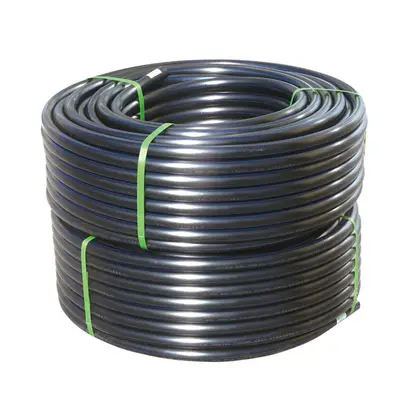

Irrigation pipes play a vital role in delivering water across farms, greenhouses, orchards, and commercial agricultural facilities. Their performance affects water distribution, system reliability, maintenance requirements, and the efficiency of irrigation operations. If pipes fail to meet the required specifications, leaks, pressure problems, and unexpected repairs can disrupt agricultural activities.
For this reason, product testing is an essential part of the manufacturing process. A reliable Irrigation Pipe Manufacturer uses appropriate quality checks to evaluate pipe performance, verify product specifications, and identify potential defects before products reach customers. Consistent testing also helps ensure that pipes are suitable for their intended applications and operating conditions.
1. Ensuring Consistent Product Quality
Manufacturing irrigation pipes involves several stages, including raw material preparation, extrusion, sizing, cooling, and finishing. Variations during these processes can affect the final product’s dimensions, strength, and overall consistency.
Product testing helps manufacturers identify these variations before they become widespread quality problems. By checking pipes at different production stages, manufacturers can detect deviations early and make necessary process adjustments.
Regular inspections may include checking pipe appearance, measuring dimensions, examining surface quality, and verifying that products meet established specifications. These procedures help maintain consistent quality across production batches.
Consistency is particularly important for large agricultural projects, where hundreds or thousands of meters of pipe may need to work together within a single irrigation network.
2. Verifying Pressure Resistance
Irrigation systems operate under different pressure conditions depending on their design, pump capacity, pipeline length, and irrigation method. Pipes must be able to withstand the pressure for which they are rated.
Pressure testing helps determine whether a pipe can tolerate specified operating conditions without leaking or failing. Depending on the product and applicable testing procedure, manufacturers may conduct hydrostatic pressure tests or other relevant assessments.
These tests can reveal weaknesses associated with material quality, wall thickness, manufacturing defects, or inconsistencies in production.
Pressure resistance is especially important for main distribution lines and systems serving extensive agricultural areas. However, a pipe’s suitability should always be evaluated against its rated pressure, installation conditions, and expected operating requirements.
3. Detecting Manufacturing Defects Early
Small defects can create significant problems when pipes are installed across large agricultural properties. Uneven wall thickness, surface imperfections, dimensional inaccuracies, or weak sections may affect performance and installation quality.
Testing and inspection procedures help manufacturers identify these issues before products are dispatched. Early detection also makes it easier to investigate the cause of a defect and prevent similar problems in subsequent production runs.
Depending on the product, quality checks may involve visual inspections, dimensional measurements, material assessments, and specialized tests for mechanical or pressure-related performance.
Identifying defects during manufacturing is generally more efficient than addressing failures after installation, when repairs may require additional labor, equipment, and interruption to irrigation operations.
4. Checking Material Strength and Durability
The performance of an irrigation pipe depends partly on the properties of the material used to manufacture it. Different applications may require different levels of flexibility, impact resistance, and resistance to environmental stress.
Material testing helps verify whether the selected polymer or other material meets the required specifications. Depending on the product, assessments may include tensile properties, elongation, impact resistance, and resistance to environmental stress cracking.
These characteristics matter because agricultural pipes can face demanding conditions. Underground pipelines may encounter soil movement or external loads, while exposed pipes may experience sunlight and temperature changes.
Testing cannot eliminate every risk associated with field conditions, but it provides useful evidence that materials and finished products meet defined performance requirements.
5. Maintaining Accurate Dimensions
Correct dimensions are necessary for reliable connections between pipes, fittings, valves, and other irrigation components. Even small variations can complicate assembly or lead to connection problems.
Manufacturers therefore measure key dimensions such as outside diameter, wall thickness, and ovality where relevant. These measurements help confirm that products remain within the specified tolerances.
Accurate dimensions are particularly important when large irrigation networks contain multiple pipeline sections from the same product range. Consistency helps installation teams connect components more efficiently and reduces the likelihood of fit-related problems.
Dimensional testing also supports compliance with applicable product standards and customer specifications.
6. Improving Water Distribution Reliability
Irrigation pipes form part of a larger system designed to deliver the required volume of water to crops. Leaks, restrictions, and pressure losses can affect how effectively that system performs.
Product testing helps reduce the likelihood of pipe-related problems that interfere with water delivery. When pipes meet their intended specifications, they can work more reliably with pumps, filters, pressure regulators, and distribution equipment.
For drip irrigation, dependable piping helps maintain the supply of water to the network of laterals and emitters. In sprinkler systems, suitable pipe dimensions and pressure performance help support the operating requirements of sprinklers.
Overall irrigation performance still depends on proper system design, installation, filtration, and maintenance. Product testing is one important part of achieving dependable water distribution.
7. Supporting Compliance With Industry Standards
Irrigation pipes may be manufactured according to national or international standards, depending on the target market and intended application. These standards can specify requirements for dimensions, materials, pressure performance, testing methods, and product marking.
Testing provides a way to verify whether a product meets the relevant requirements. Manufacturers should identify which standards apply to each product type rather than assuming that one testing procedure is appropriate for every pipe.
Documentation is equally important. Test reports, inspection records, material information, and production traceability can help demonstrate that appropriate quality procedures have been followed.
Buyers should review the standards and certifications relevant to their projects and request supporting documentation when necessary. Requirements may vary by country, application, and pipe material.
8. Reducing Long-Term Maintenance Costs
The initial purchase price is only one component of the total cost of an irrigation system. Repairs, replacement materials, labor, and interruptions to water delivery can increase operating expenses over time.
Product testing helps manufacturers reduce avoidable quality problems by identifying nonconforming products before shipment. This can lower the likelihood of failures associated with manufacturing defects, although actual service life also depends on installation, handling, pressure conditions, and maintenance.
For commercial farms, preventing repeated pipe failures can be particularly valuable. Repairing a pipeline that crosses cultivated land may require machinery, labor, and temporary changes to irrigation schedules.
Investing in products supported by appropriate testing and quality documentation can therefore help buyers make more informed decisions about long-term operating costs.
9. Strengthening Quality Control Throughout Production
Effective testing should be part of a broader quality management process rather than a single inspection at the end of production.
Manufacturers can establish quality checkpoints for incoming materials, production settings, finished dimensions, and final product performance. Defined acceptance criteria help ensure that inspections are consistent and that problems are handled systematically.
When a test identifies a failure, the manufacturer can investigate its cause, isolate affected products, adjust production parameters, and verify that corrective measures are effective.
Maintaining records of test results also helps identify recurring trends. Over time, this information can support process improvements, reduce material waste, and increase manufacturing consistency.
10. What Buyers Should Check Before Purchasing
Customers can evaluate a manufacturer’s quality approach by asking specific questions about product testing and documentation. This is particularly useful when sourcing irrigation pipes for large agricultural installations.
Before placing an order, buyers should consider the following:
- Testing procedures: Ask which tests are performed and at what production stages.
- Pressure specifications: Confirm the working pressure rating and relevant test requirements.
- Dimensional tolerances: Check the stated diameter, wall thickness, and applicable tolerances.
- Material information: Request details about material grades and relevant performance properties.
- Standards and certifications: Verify which requirements apply to the product and intended market.
- Quality records: Ask whether inspection reports and batch traceability information are available.
- Product suitability: Ensure that the selected pipes match the irrigation design and installation environment.
These checks help buyers compare suppliers using documented technical criteria instead of relying exclusively on price or general quality claims.
Conclusion
Product testing is a fundamental part of irrigation pipe manufacturing because it helps verify quality, identify defects, evaluate pressure resistance, and maintain dimensional consistency. It also supports compliance with applicable standards and provides information that manufacturers can use to improve production processes.
For agricultural buyers, tested products offer a stronger basis for assessing whether pipes are suitable for a particular irrigation system. By reviewing specifications, testing procedures, and quality documentation, buyers can make better-informed purchasing decisions and reduce avoidable risks throughout the life of an irrigation network.